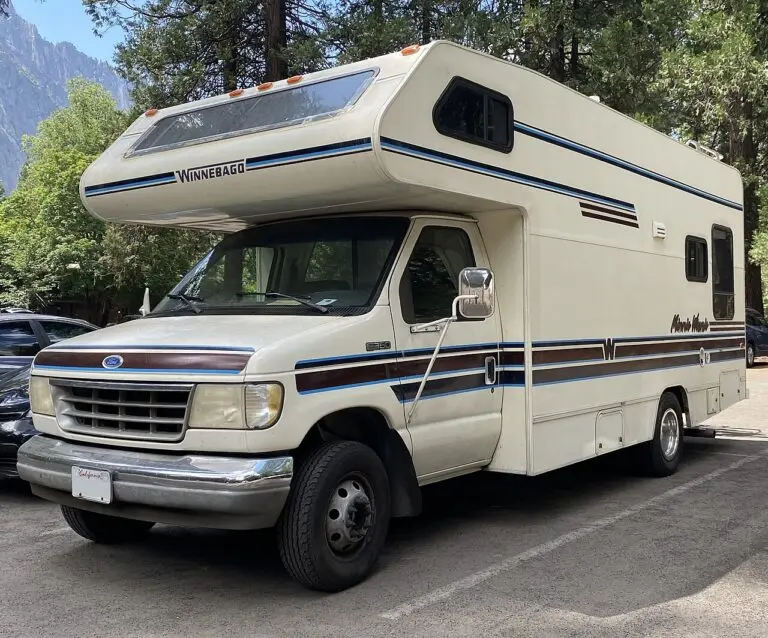
Quick answer: Problems Roadtrek 190 owners often need to manage include battery drain, thermostat faults, rooftop AC failure, roof and window leaks, and plumbing or holding tank issues. The 190 has no slide-out. Most fixes start with simple checks: clean battery terminals, test charging voltage, clean AC filters, and reseal seams with an RV-rated sealant.
The Roadtrek 190 is a great RV choice if you want something that is easy to drive anywhere, including in big cities and suburban neighborhoods. But like any other RV, it has its fair share of problems.
With a Roadtrek 190, you may have to deal with unexpected battery problems that stop your appliances from working. You may also find water leaking from the roof or a thermostat that has stopped working.
The problems don’t end there. Whatever problem you face, the right knowledge will make your trips far less stressful.
What Is the Roadtrek 190 and What Chassis Is It Built On?
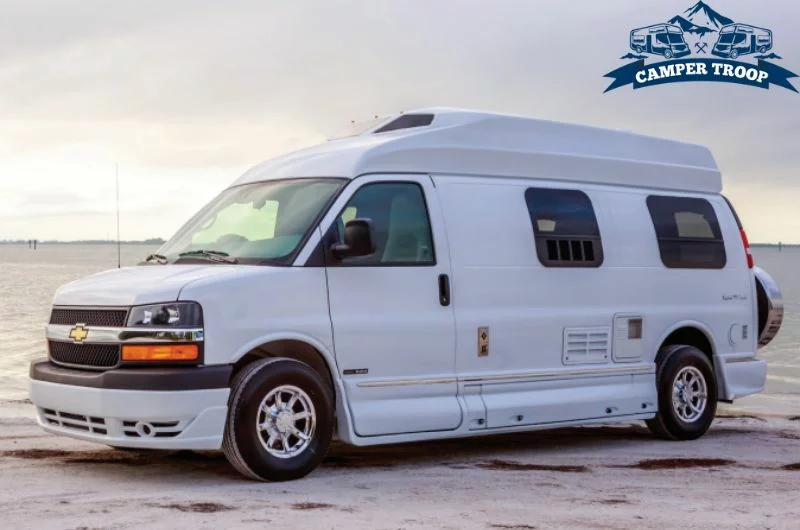
The Roadtrek 190 is a Class B camper van. That means it is built inside a full-size van body, not on a larger motorhome frame. The 2019 Roadtrek 190 Popular is built on a Chevrolet Express 3500 with a gas Vortec V8 engine.
Key specs for the 2019 190 Popular:
| Spec | 2019 Roadtrek 190 Popular |
|---|---|
| Chassis | Chevrolet Express 3500 |
| Engine | Gas Vortec V8, 323 bhp |
| Length | 245 in (20.4 ft) |
| Fresh water tank | 31 gal |
| Gray water tank | 23 gal |
| Black water tank | 10 gal |
| Sleeps | Up to 3 |
| Converter | 45 amp |
| Generator | Optional |
| Slide-out | None |
If you own a different year or trim, your chassis, engine, and tank sizes may differ. Check your owner’s manual or the VIN before you buy parts. Chassis problems (engine, transmission, brakes) follow the base van maker. Coach problems (plumbing, propane, house battery) follow the camper build.
Does the Roadtrek 190 Have a Slide-Out?
No. The Roadtrek 190 has no slide-out. Its spec listing shows no power retractable slide-out. If you read advice about a “stuck slide-out” on a Roadtrek 190, it does not apply to this van. If you have a sticking window or a leaking seal instead, see the roof and window leak section below.
What Are the Common Problems With Roadtrek 190?
With the Roadtrek 190, these are the problems you are most likely to need to handle. Many apply to other Class B vans too.
- Battery Issues
- Temperature Control
- Air Conditioner Damage
- Water Leaking From the Roof
- Plumbing and Holding Tank Problems
5 Common Problems with Roadtrek 190 and Their Solutions:
Each problem has its own causes and fixes. Below, we look at them in more detail. You can try to solve some of these issues yourself. If you are not confident, consult a professional.
Problem 1: Battery Issues
Your Roadtrek 190 has two kinds of batteries, and they do different jobs:
- Chassis (starting) battery: Starts the engine and runs the van’s lights and dash. The alternator charges it while the engine runs.
- House (coach) battery: Runs the 12 V camper systems, such as interior lights, the water pump, and fans.
The house battery does not run everything. The refrigerator on the 190 Popular runs on electric or propane. A 120 V load like the microwave or rooftop AC needs shore power or the optional generator.
Dim headlights or a clicking sound when you turn the key may point to a weak chassis battery or a loose connection. Lights and the water pump fading while you camp usually point to a low house battery.
What Causes Battery Issues On The Roadtrek 190?
Battery maintenance starts with knowing what causes the problems. These are common causes of battery issues on the Roadtrek 190:
- Sulfation
- Parasitic loads
- Self-discharging
- Overcharging
- Undercharging
How Do I Charge the House Battery on a Roadtrek 190?
You have three main ways to charge the house battery:
- Shore power: Plug into a campsite or home outlet. The 45-amp converter charges the house battery.
- Generator: If your van has the optional generator, running it powers the converter the same way shore power does.
- Driving: In most Class B vans, the alternator also charges the house battery while the engine runs. Check your owner’s manual to confirm how your van is wired.
If someone added solar panels to your van, they can also charge the house battery through a solar controller.
How to Fix Battery Issues on the Roadtrek 190?
Follow these steps in order. Start with the cheapest checks before you replace parts.
Check Connection Points
A simple fix is a mix of water and baking soda. Make sure the mix is not too diluted. Use a brush to scrub it onto corroded terminals and connections. Rinse, dry, and tighten the clamps.
Check Alternator
Use a multimeter at the battery. These are the readings to look for:
| Test | Healthy reading | What a low reading means |
|---|---|---|
| Battery at rest, engine off | About 12.6 V when fully charged | Battery is discharged or weak |
| Engine running (charging) | About 13.0–14.5 V | Below about 13.2 V suggests a failing alternator or loose or damaged wiring |
If the running reading is low, check the wiring and connections before you replace the alternator.
Replace Battery
Battery problems are often caused by a faulty charging source. But if the same problems persist when you charge the battery from a different source, the battery itself is likely the problem.
The straightforward fix is a replacement. Check the wiring, connections, and cables before you change the battery. Replace a house battery with the same type your charger is set for.
How Much Does It Cost To Fix Battery Issues On A Roadtrek 190?
Cleaning terminals and testing voltage cost little beyond a multimeter. Replacement costs depend on which battery you replace, the battery type, and whether you do the work yourself. An alternator replacement depends on the part and shop labor rates. Get a written quote before approving work.
Read Also: Common Oliver Trailer Problems And Solutions
Problem 2: Temperature Control/Thermostat Problems
The thermostat controls most of the temperature in the RV. If it fails, the temperature inside the RV is thrown out of balance.
Check the thermostat if it becomes unresponsive or shows a different temperature from the actual one. Your AC might stop working as well if the thermostat starts failing.
What Causes Thermostat Problems On Roadtrek 190?
If your thermostat isn’t working, it may be for one of the following reasons.
- Old wiring
- Poor wiring
- Dust
- Dead batteries
A low house battery can also make a 12 V thermostat act up. Check house battery voltage first.
How To Fix Thermostat Problems On Roadtrek 190?
To deal with a thermostat problem on the Roadtrek 190, try these fixes.
Replace Old Wiring
If the wiring on your Roadtrek 190 has seen years of wear and tear, replace it with new wire.
Poor Wiring Connection
Check the wiring connections. Consult a technician if needed.
Remove Dust
A simple DIY fix is to blow compressed air into the thermostat.
Dead Batteries
If the thermostat is not working because of dead batteries, replace them right away.
How Much Does It Cost To Fix Thermostat Problems On Roadtrek 190?
If the DIY fixes don’t work, you will need to replace the thermostat. Prices vary by brand and features. Before you buy, confirm the new unit works with your AC and furnace controls. A mismatched thermostat may not run both.
Read Also: Common Bighorn RV Problems & Solutions
Problem 3: Air Conditioner Damage
Imagine going on a camping trip and noticing water leaking from your air conditioner. This is a sign that the air conditioner is not working properly.
Another sign of a failing AC is when the fan runs but only warm air comes out. It’s not a life-or-death situation, but it is very annoying.
Remember that the rooftop AC is a 120 V appliance. It will not run on the house battery alone. If it won’t start at all, first confirm you are on shore power or running the generator.
What Causes Air Conditioner Damage on Roadtrek 190?
If you see common symptoms such as leaking water or poor temperature control, check for these causes.
- Ice buildup on the AC
- Contamination resulting in clogging
- Contamination on external holes
- Depletion of coolant gas
How to Fix Air Conditioner Damage on Roadtrek 190?
You can resolve the issues above with these steps.
- The air conditioner will be overworked if you make it run outside its normal range of 73 to 82 degrees Fahrenheit.
- Make sure the internal filters, coils, drains, and holes are all clean. Use compressed air to blow through the internal parts and clean the whole unit.
- Take it to an expert if the coolant gas has depleted. Do not open the refrigerant system yourself.
How Much Does It Cost To Fix Air Conditioner Damage On Roadtrek 190?
Cleaning filters and coils costs little. If the damage is severe, you may need a new rooftop unit. The price depends on the unit, the roof opening size, and installation labor. Get quotes from more than one RV shop, and confirm the new unit fits your roof opening and electrical setup.
Read Also: Common Roadtrek SS Agile Problems & Solutions
Problem 4: Water Leaking From the Roof and Windows
Leaky roofs are a common problem for most motorhome owners. Every rain lets water drip into the van. The longer you ignore it, the more damage builds up in the roof, walls, and floor.
What Causes a Leaky Roof on Roadtrek 190?
A gap in the roof, a seam, or a window seal lets water slip through and wet the floor of your van. Cracks and gaps often appear because of:
- Extreme heat
- Extreme winds
- Old age
- Heavy load on the rooftop surface
How To Fix A Leaky Roof On Roadtrek 190?
To fix a leak, you need to seal the gap that lets water in. Follow these steps:
- Find the source. Check roof seams, the AC and vent openings, and window seals. Water often travels before it drips.
- Clean the area and remove loose, cracked old sealant.
- Apply an RV-rated sealant made for your roof material. Ask a Roadtrek-familiar dealer or check your manual if you are unsure what your roof is made of.
- Keep the roof clean and free of dirt and debris.
For window leaks, reseal with an RV-rated sealant. Do not use household glue such as Gorilla Glue. It is not made for flexible exterior seals.
Inspect all roof and window seals at least before and after each camping season, and after any hard storm or low-branch strike.
How Much Does It Cost To Fix A Leaky Roof On Roadtrek 190?
A small seam reseal is usually a low-cost DIY job. A shop repair depends on the size of the leak, labor rates, and any water damage inside. Hidden rot in walls or floors raises the cost a lot, so fix leaks early.
Read Also: Common Nash Travel Trailer Problems & Solutions
Problem 5: Plumbing and Holding Tank Problems
The 2019 190 Popular has a 31 gal fresh tank, a 23 gal gray tank, and a 10 gal black tank. The black tank is small, so it fills fast. Signs of trouble include slow drains, odors, a tank sensor that always reads full, or water under the van.
What Causes Plumbing Problems on the Roadtrek 190?
- Waste or paper buildup in the black tank
- Grease and food scraps in the gray tank
- Freeze damage to lines, tanks, or the water pump
- Loose fittings or worn dump valve seals
How to Fix Plumbing Problems on the Roadtrek 190?
- Dump the black tank first, then the gray tank, so gray water rinses the hose.
- Flush the tanks with fresh water until it runs clear.
- Use RV-safe toilet paper and enough water with each flush.
- Check fittings and valves for drips. Tighten or replace worn seals.
- Winterize before freezing weather by draining the system as your manual directs.
How Much Does It Cost To Fix Plumbing Problems on the Roadtrek 190?
Flushing tanks and replacing seals are low-cost DIY jobs. A cracked tank or freeze-damaged pump costs more and may need a shop. Prevention, mainly good dumping habits and winterizing, is the cheapest fix.
What Other Roadtrek 190 Systems Should You Watch?
Beyond the five problems above, keep an eye on these systems:
- Refrigerator: It runs on electric or propane. If it cools on one but not the other, the problem is in that power source, not the whole fridge.
- Propane system, furnace, and water heater: These need regular service by a qualified tech. Test your propane and CO detectors often.
- Generator (if equipped): Run it regularly under load and follow the maker’s service schedule.
- Rear bed and sofa mechanisms: Check hinges, latches, and fasteners for wear. Don’t force a stuck mechanism.
- Base van chassis: Like any full-size van, it needs regular checks of the transmission, brakes, suspension, and underbody rust. Chevrolet or GM service centers can handle the chassis on Chevy Express–based models.
What Safety Rules Apply to Roadtrek 190 Repairs?
- 120 V electrical: Unplug shore power and shut off the generator before touching 120 V wiring, the AC, or the microwave.
- Propane: If you smell gas, shut off the tank valve, put out flames, get out, and air the van. Leave propane repairs to a qualified tech.
- Refrigerant: Do not open the AC’s sealed refrigerant system. Recharging or repairing it is a job for a certified technician.
- Batteries: Wear eye protection. Disconnect the negative cable first and reconnect it last.
Is Roadtrek Still in Business?
Yes. Roadtrek is still in business under new ownership. Erwin Hymer Group North America, which built Roadtrek, went into receivership. Rapido SAS bought substantially all Roadtrek brand assets. An Ontario court approved the deal on June 17, 2019, and it closed on July 3, 2019.
According to Roadtrek’s official site, that purchase created Roadtrek Inc. and returned manufacturing to Cambridge, Ontario. In 2026, Conestogo Partners, a U.S.-based outdoor-recreation ownership group, took ownership.
What it means for owners: The 2019 sale announcement does not mention warranty or parts support for existing owners. If you own an older Roadtrek, do not assume any old warranty still applies. Contact Roadtrek directly with your VIN to ask what support is available.
How Long Do Roadtrek RVs Last?
There is no fixed lifespan. A Roadtrek’s life depends mostly on care. The van chassis wears like any full-size van, based on miles and service. The camper systems wear based on age, water leaks, and storage. A van kept dry, sealed, and serviced will last far longer than one that sits with an open leak.
What Should You Check Before Buying a Used Roadtrek 190?
Use this checklist, and pay for a professional inspection if you can:
- Roof and windows: Look for cracked sealant, stains on the ceiling, and soft spots.
- Floors and walls: Press around corners and under windows. Soft areas or musty smells point to water damage.
- Batteries: Test both the chassis and house battery voltages at rest and with the engine running.
- Appliances: Run the fridge on both electric and propane. Test the furnace, water heater, AC, and generator if equipped.
- Plumbing: Fill the fresh tank, run every faucet, and check under the van for drips. Ask the seller to dump the tanks.
- Chassis: Check for underbody rust, brake wear, and smooth shifting on a test drive.
- Records: Ask for service and winterizing records.
Red flags: fresh sealant smeared over a ceiling stain, a seller who won’t let you test appliances, signs of past freeze damage, or no service records at all.
Where Can You Get Parts for an Older Roadtrek?
- Chassis parts: Go to a dealer or parts store for the base van maker, such as Chevrolet for Express-based models.
- Appliance parts: Find the brand and model label on each appliance. Order parts from that maker or an RV parts supplier.
- Roadtrek-specific parts: Contact Roadtrek through its official site, or ask an RV dealer that services Class B vans.
- Owner help: Roadtrek owner clubs and online forums are good places to find part numbers and repair tips from other owners.
Conclusion
The problems discussed here are not unique to the Roadtrek 190. If you own another Class B van, you may find this guide useful too. The specs and tips above are matched to the Roadtrek 190, so start here if you own one.
The full list of issues you could meet with a Roadtrek 190 is longer than five. Older vans also need care for the propane system, generator, and chassis.
We focused on these five because they affect daily use the most. Check your batteries, seals, and tanks regularly, and most of them stay small and cheap to fix.
Read Also: Common Coachmen Prism Problems & Solutions
Roadtrek 190 FAQs
Can the Roadtrek 190 run its rooftop AC on the house battery?
No. The rooftop AC is a 120 V appliance, so it will not run on the house battery alone. It needs shore power or the optional generator. If the AC will not start at all, first confirm that you are plugged in or that the generator is running. Then look for other faults.
What size are the holding tanks on the Roadtrek 190?
The 2019 Roadtrek 190 Popular has a 31-gallon fresh water tank, a 23-gallon gray tank, and a 10-gallon black tank. The black tank is small and fills fast, so plan to dump it often. Tank sizes may differ on other years and trims. Check your owner’s manual or VIN to confirm.
What voltage should a healthy Roadtrek 190 battery show?
A fully charged battery reads about 12.6 V at rest with the engine off. With the engine running, expect about 13.0 to 14.5 V. A running reading below about 13.2 V suggests a failing alternator or loose or damaged wiring. Check the wiring and connections before you replace the alternator.
Why does my Roadtrek 190 fridge work on propane but not on electric?
The fridge in the 190 Popular runs on either electric or propane. If it cools on one source but not the other, the problem is in that power source, not in the whole fridge. Troubleshoot the source that fails. Leave any propane system repairs to a qualified technician.
What sealant should I use for Roadtrek 190 roof and window leaks?
Use an RV-rated sealant made for your roof material. First clean the area and remove loose, cracked old sealant. Do not use household glue such as Gorilla Glue, because it is not made for flexible exterior seals. If you are unsure what your roof is made of, check your manual or ask a Roadtrek-familiar dealer.