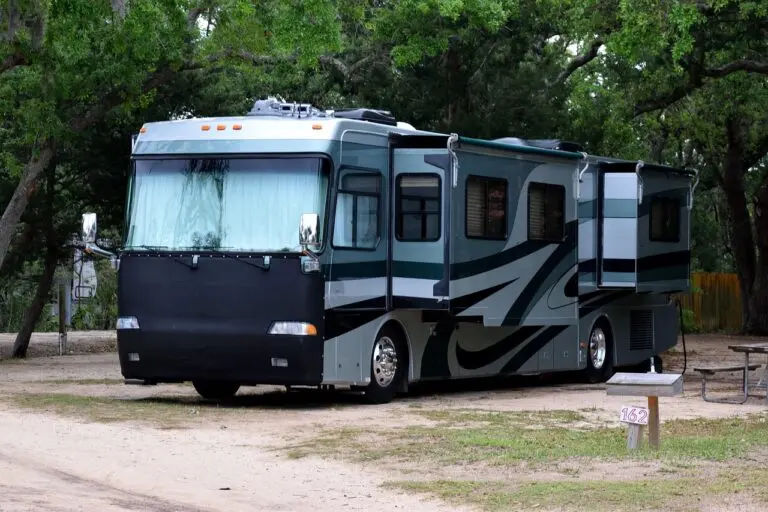
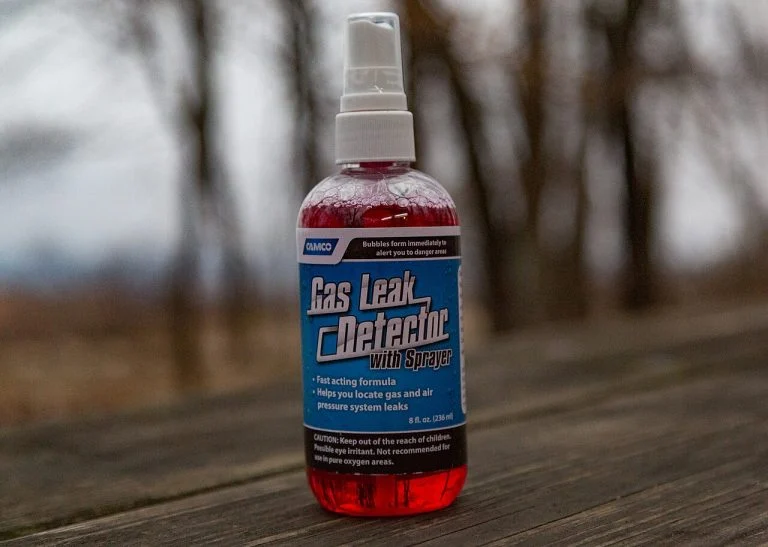
Quick answer: Forest River RV roof problems to watch for include leaks, failing seals, membrane shrinkage, bubbles, dry rot, and poor installation. Check seams and roof openings often, fix damaged sealant quickly, and watch bubbles for changes. Camping World lists $150 to $700 for spot repairs and $400 to $1,500 or more for a full reseal.
A roof problem can turn into a much bigger repair if you ignore it. Before you pick a fix, make sure you know what kind of problem you have.
This guide covers six roof problems, practical next steps, and how to decide between a small repair and a new roof.
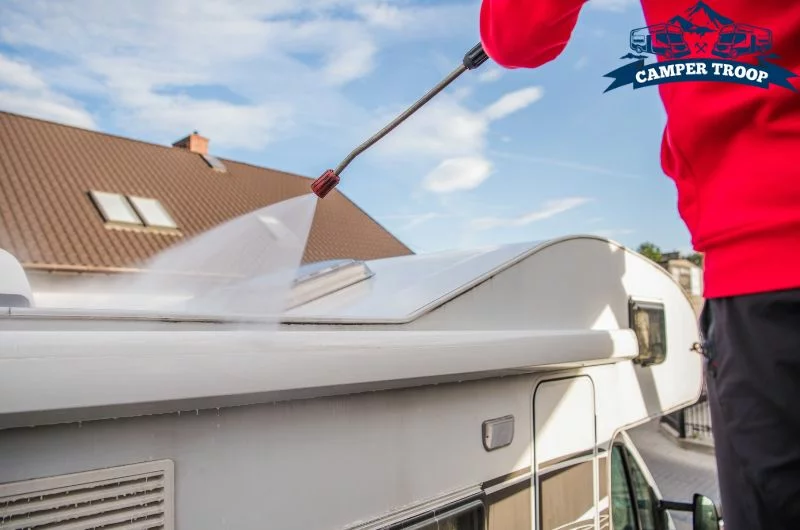
What Are 6 Common Forest River Roof Problems and How Can You Fix Them?
The six problems below are leaks, failing seals, shrinkage, bubbles, dry rot, and poor installation. Do not put off any of them for long, because water damage can spread where you cannot see it.
1. Leaky Roof
A leak is the first problem to rule out because water can damage more than the roof surface.
Broken sealant and improper maintenance are common causes of RV roof leaks.
Inspect the roof after a hard storm or any contact with a tree branch. Look for fresh cuts, punctures, and sealant that has lifted or cracked.
How To Fix:
- First, check the sealants of your Forest River. If they are broken, replace them with a product approved for your roof material.
- Check whether the pipes of your motorhome have leaks, since a plumbing leak can look like a roof leak. If needed, repair or replace them.
- Keep up with roof inspections and maintenance so small gaps get fixed early.
2. Pop-Up Seals
Seals that lift or come loose leave gaps in the roof. Those gaps can let in water, dust, and debris.
Pay close attention to the sealant around vents, skylights, and other roof openings.
How To Fix:
- First, find out how much of the seal has lifted and whether water has gotten underneath.
- Follow the sealant maker’s prep steps, and use only a product that is approved for your roof material.
- If you find seals cracking or breaking apart, replace the damaged section.
For a full reseal, Camping World’s October 2026 guide lists $400 to $1,500 or more.
Read Also: Forest River Slide Out Adjustment Guide | Follow These 9 Easy Steps
3. Roof Shrinkage
Treat a roof membrane that looks tight, wrinkled, or pulled away from its edges as a warning sign. It may put stress on seams and sealant.
Any water that gets under the membrane can harm the layers below it, so check for soft spots and interior stains too.
How To Fix:
Have an RV technician inspect the roof before you peel or re-glue anything. The right repair depends on the roof material, the extent of the shrinkage, and the condition of the layers below.
- Take dated photos of the edges, seams, and any areas that have pulled away.
- Ask whether the membrane can be repaired or whether it needs to be replaced.
- Check your warranty before starting any work on the membrane.
4. Bubbles
Should you worry about bubbles on a rubber RV roof? Roof bubbles are generally cosmetic, but you should monitor them for changes that may point to an underlying problem.
How To Fix:
Start by tracking the bubble instead of cutting into it.
- Take a dated photo with a tape measure beside the bubble.
- Compare its size and shape at each roof inspection.
- Do not puncture the bubble, since a cut creates a new opening in the roof.
- Have the roof inspected if a bubble grows, spreads, feels soft, or appears near a leak or stain.
Read Also: How To Fix Forest River Slide Out Problems
5. Dry Rot
Suspected rot is a reason to stop and get the roof checked. Wood that stays damp or feels weak may no longer support the roof properly.
Warning signs include a musty smell, soft areas, and staining around the ceiling.
How To Fix:
Have a technician open up the area and find out how far the damage goes. Sealing over damaged wood does not repair it, and the source of the moisture must be fixed as well.
This job can be costly and hard to do yourself, so it is usually better to call an expert.
6. Poor Installation
Some roof problems may trace back to how the roof was installed rather than how the RV was used.
Faulty parts or workmanship are worth suspecting if a newer RV has problems despite regular care.
How To Fix:
If you notice damage, contact your dealer or Forest River support before starting repairs.
Have your VIN, purchase date, dated photos, and maintenance records ready. Ask what the next step is and whether the repair may be covered.
Read Also: Forest River 5th Wheels Best to Worst: What is the Quality Ranking?
How Do You Identify Your Forest River Roof Material?
The most reliable way is to check your owner’s manual and original sales paperwork. If they do not list the material, give your VIN to a Forest River dealer and ask what roof your unit was built with.
Do this before you buy a cleaner or sealant, because the right products depend on the material:
- EPDM: Do not use cleaners with petroleum solvents or citric-based ingredients.
- TPO: Follow the care instructions for your exact roof, and confirm that each product lists TPO on its label.
- Fiberglass: Follow your manual, and make sure repair products are approved for fiberglass.
How Often Should You Inspect RV Roof Seals?
Keystone, another RV maker, says to inspect the roof at least every 90 days, focusing on seams, joints, and attachments. Check your Forest River owner’s manual for the interval that applies to your unit.
At each inspection, check these areas:
- Roof seams and edge joints
- Vents and skylights
- Air conditioner openings, antennas, and other attachments
- Any sealant that is cracked, lifted, or separated
Keep dated notes and photos. They make changes easier to spot and may help with a warranty or insurance claim.
How Can You Find Hidden Water Damage?
Look for changes inside the RV as well as on the roof. Water can travel, so the visible damage may not be directly below the leak.
- Inspect the ceiling and upper walls for stains, wrinkles, or peeling.
- Check inside upper cabinets and around vents and skylights.
- Note any musty smell that stays after the RV has been aired out.
- Press gently on interior ceiling panels to find soft areas.
- Use a moisture meter to compare suspect spots with dry areas nearby.
- Book a professional inspection if you find soft spots or unusually high readings.
Is It Safe to Walk on a Forest River Roof?
Only walk on the roof if your owner’s manual or Forest River confirms that your exact model is walkable. If you cannot confirm it, stay off the roof and inspect it from a ladder or hire a technician.
- Stay off the roof when it is wet, icy, frosty, or windy.
- Use a stable ladder on level ground, and have someone with you.
- Avoid soft areas, skylights, vents, and roof edges.
- Hire a professional if you are not comfortable working at that height.
Which Sealant Works on Your RV Roof?
Use a sealant that your roof maker approves or that clearly lists your roof material on the label. Compatibility varies by product, so there is no single sealant to use on every roof.
Keystone says to avoid silicone products on its roof material and to use Alpha sealants on an RV with the Alpha roof system. That guidance comes from Keystone, so confirm what applies to your Forest River.
Before you buy lap or self-leveling sealant, check three things:
- Roof material: The label should name your material.
- Surface angle: Self-leveling sealant flows as it settles, so confirm that it suits the surface before using it on a slope or vertical joint.
- Existing sealant: Confirm that the new product can go over what is already there, or remove the old material as the label directs.
What Can You Do About a Roof Leak While Traveling?
Clean and dry the area, then cover the damage with a repair tape or sealant approved for your roof material. Treat this as a short-term step and book a full inspection as soon as you can.
- Catch dripping water inside and move belongings out of the way.
- If water is near lights or wiring, turn off power to that area and get professional help.
- Wait for safe weather before going up a ladder.
- Follow the product label for surface prep and application.
- Photograph the damage before and after the temporary repair.
Should You Patch, Reseal, Recoat, or Replace the Roof?
Choose the smallest repair that fixes the whole problem. Replacement makes more sense once the damage is widespread or has reached the structure below.
| Option | Consider it when | Avoid it when |
|---|---|---|
| Patch | The damage is small, the area is easy to reach, and the roof below is solid | The area is soft or the leak source is unknown |
| Reseal | The membrane is sound, but sealant is cracked or lifted in several places | Water has already damaged the layers below |
| Recoat | The surface is worn, the structure is solid, and the coating is approved for your roof | The membrane is loose or the leaks have not been fixed |
| Replace | Damage is widespread, the membrane has failed, or repairs keep coming back | A smaller, documented repair can fully solve the problem |
When Should You Hire an RV Technician?
DIY can make sense for cleaning, inspections, and small sealant repairs if you can reach the roof safely. Hire an RV technician when the problem involves soft spots, rot, membrane replacement, or a leak you cannot trace.
Also get professional advice before starting work on an RV that may still be under warranty. Unapproved repairs could complicate a claim.
How Much Does Forest River RV Roof Repair Cost?
A spot repair or full reseal generally costs far less than a new roof. These published RV estimates are not specific to Forest River, so use them for planning and get a written quote for your unit.
| Job | Published estimate | Source |
|---|---|---|
| Sealant or spot repair | $150 to $700 | Camping World, October 2026 |
| Full reseal or coating | $400 to $1,500 or more | Camping World, October 2026 |
| Full roof replacement | Roughly $300 to $350 per linear foot | Roadtrippers |
How Much Does It Cost to Replace an RV Roof by Length?
There is no industry-standard price per linear foot. The table below simply multiplies Roadtrippers’ estimate by RV length. Your final cost depends on roof material, size, and location.
| RV length | Estimated replacement cost |
|---|---|
| 25 feet | $7,500 to $8,750 |
| 30 feet | $9,000 to $10,500 |
| 35 feet | $10,500 to $12,250 |
| 40 feet | $12,000 to $14,000 |
Ask each shop to list labor, materials, disposal, and any repairs to damaged wood as separate items. That makes the quotes easier to compare.
How Long Does a Forest River RV Roof Last?
A quality RV roof should last about 10 to 20 years if it is regularly checked and maintained. Base your replacement decision on the roof’s condition, not its age alone.
How Can I Make My Forest River Roof Last Longer?
Regular cleaning and inspections are the best way to catch small problems before they become expensive.
Prevention usually takes less time and money than repairing water damage.
Here are some easy tips to help your Forest River roof last longer.
- Always keep your roof clean. You should clean your RV roof at least four times a year.
- Use a cleaner that is approved for your roof material. Follow your owner’s manual and the product label for mixing directions and the type of brush to use.
[Cautions: If your Forest River roof is made up of EPDM, don’t use cleaners that contain petroleum solvents or citric-based cleaners. It’ll cause harm to your Forest River roof.]
- Rinse the roof with clean water. Also, make sure there is no loose dirt or debris.
- Avoid parking where tree branches can scrape the roof, and check the roof after harsh weather.
What Should You Not Use to Clean a Rubber RV Roof?
Do not use cleaners with petroleum solvents or citric-based ingredients on an EPDM rubber roof. Read the full ingredient and surface warnings before you use any product.
Read Also: 9 Common Forest River XLR Nitro Problems & How to Fix Them?
How Do You Protect an RV Roof in Winter?
Clean and inspect the roof before storage, and repair damaged sealant while the weather still allows it. Water that gets in over the winter can go unnoticed for months.
- Park away from overhanging branches.
- Check your manual for any roof load guidance for your model.
- Do not climb onto a snowy or icy roof.
- Do not use metal shovels, sharp tools, or anything else that could cut the roof.
- Call a professional if snow is heavy or you cannot clear it safely from the ground.
- Inspect the roof and ceiling once the snow is gone.
How Does a Forest River Warranty Differ From a Roof Membrane Warranty?
A new-unit warranty comes from the RV manufacturer, while a membrane warranty, if your roof has one, may come from the company that made the roof material. Coverage and length can differ, so read each document for your exact RV.
Look for these details in each warranty:
- What is covered and how long coverage lasts
- Whether coverage transfers to a new owner
- Which actions, products, or repairs can void coverage
- Who must do the repair and how to file a claim
Does a Forest River Roof Warranty Require Inspections?
Check the written warranty for your model and year, or ask Forest River or your dealer. Requirements may differ between documents, so get any unclear answer in writing. Either way, keep dated inspection records and repair receipts.
Does Insurance Cover RV Roof Replacement?
It depends on your policy and the cause of the damage. Ask your insurer how it treats storm damage, falling branches, gradual leaks, and wear. Photograph any damage and get a repair estimate before you file a claim.
How Do You Check for Roof Recalls or Service Bulletins?
Give your VIN to a Forest River dealer and ask whether your RV has any open recalls or roof-related service bulletins. Ask for the results in writing so you can keep them with your maintenance records.
Frequently Asked Questions
You may still have a few questions about your Forest River roof.
Here are brief answers to some common ones.
Is a fiberglass roof better on a Forest River?
It depends on the model and how you use the RV. Before choosing, compare the roof material, care instructions, and written warranty for each model you are considering. No roof type removes the need for regular inspections.
How often should a Forest River roof be replaced?
A quality RV roof should last about 10 to 20 years if it is regularly checked and maintained. Replace it based on its condition, not age alone. Check your ownership documents for the warranty terms that apply to your unit.
How much does it cost to have a new roof put on a Forest River?
There is no industry-standard price per linear foot. Roadtrippers estimates roughly $300 to $350 per linear foot, and the final cost depends on roof material, size, and location. Get a written quote for your model.
Can snow collapse a Forest River roof?
The risk depends on your model, its condition, and the amount of snow. Check your owner’s manual or ask Forest River for any roof load guidance. Have a sagging or damaged roof inspected before using the RV.
Wrapping Things Up
Most Forest River roof problems are easier to manage when you catch them early. Inspect the roof on schedule, use products approved for your roof material, and keep dated records.
Try simple fixes only when the damage is small and you can reach it safely. For soft spots, rot, or leaks you cannot trace, call an RV technician.
For model-specific help, start with your dealer or Forest River’s official website. Have your VIN ready, and ask for warranty terms in writing.
Read Also: Forest River RV Power Converter Location [Possible 7 Places]