The most common Chinook RV problems are spark plugs blowing out of Ford Triton engines, battery trouble, generator vibration, leaking freshwater tanks, a tight interior, weak cup holders and poor antenna reception. Most of these are fixable with regular maintenance. On older Chinooks, check the spark plug issue first because it can be costly.
The biggest mechanical risk is spark plug blowout on early 2-valve Ford Triton engines. Owners also report battery problems, generator vibration, poor antenna reception, freshwater tank leaks, limited interior space and poor-quality cup holders.
Below are the causes and fixes for each problem.
Which Chinook RVs Does This Cover, and Is Chinook Still in Business?
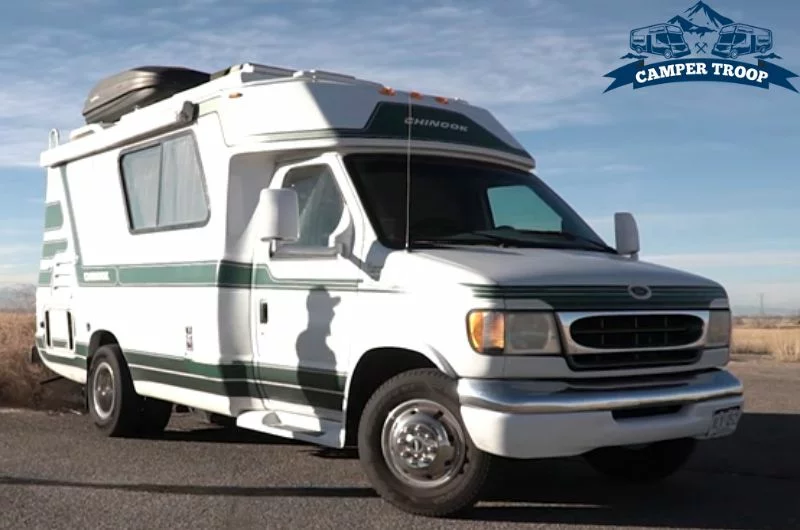
This guide covers the classic Chinook motorhomes, such as the Concourse, Glacier and Baja. These are motorized Class C (also called Class B+) motorhomes built on the Ford E-Series chassis. They are not towable trailers.
The original company, Trail Wagons, Inc., shut down around 2005. The brand came back later. Phil Rizzio bought Chinook’s intellectual property, molds and equipment and moved the brand to Elkhart, Indiana. He launched Sprinter-based Chinook camper vans in 2015, followed by Trail Wagon trailers (New Atlas). Treat pre-2005 Chinooks and the newer vans as separate groups. The problems below mostly apply to the older motorhomes.
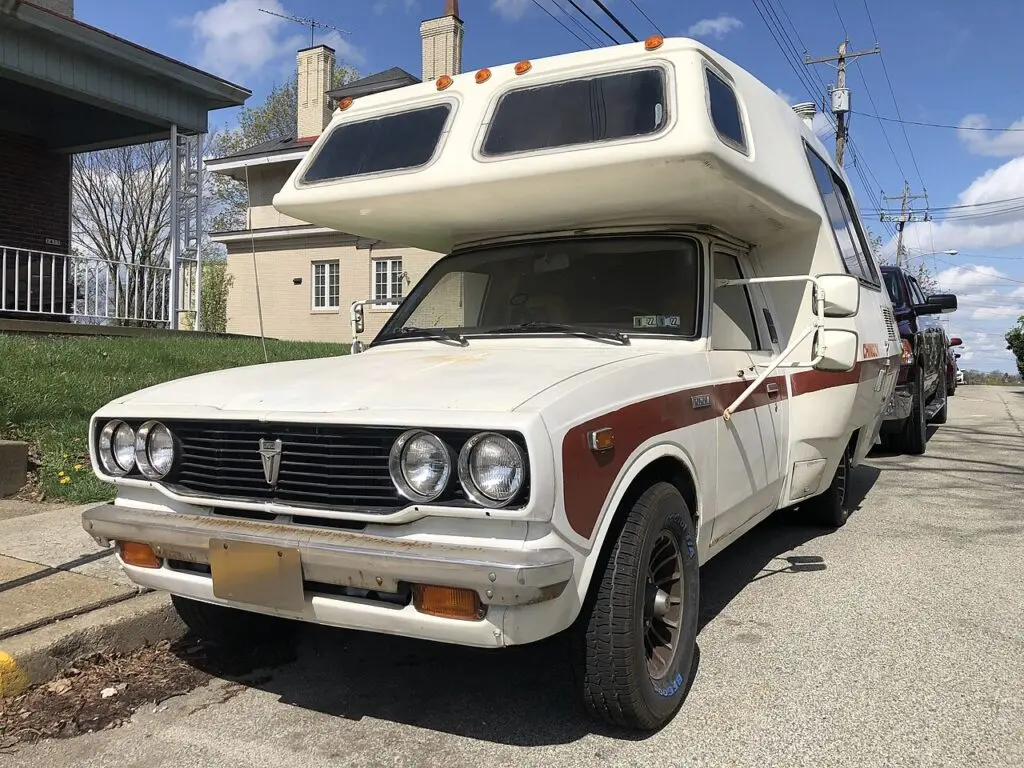
7 Common Problems with Chinook RV and Their Solutions:
Most classic Chinooks are now 20 or more years old, so wear and age-related issues are expected. Here are the most frequent problems and how to fix them.
Problem 01: Generator Creates Excessive Vibrating Noise
Chinook motorhomes have onboard generators that turn mechanical energy into electrical energy. The generator powers the coach when you are not plugged in and helps charge the battery.
Many owners report constant vibration and noise when the generator runs. Three things usually cause it:
- Using subpar-quality fuel
- Any component of the generator is lost or damaged
- Lack of lubrication in the component
Solution:
First, check whether any components are lost. Make sure to tighten the bolts and nuts properly. Moreover, the generator should be installed properly to avoid wobbling.
Check the condition of the springs located between the mounting place and the generator. If the spring condition is bad, change it.
Next, use the manufacturer-recommended oil for the generator and change it on schedule. Good oil reduces wear and unusual noise and helps the generator last longer.
Read Also: 6 Common Coach House RV Problems (Causes & Fixes)
Problem 02: Poor-quality Cup Holder
Cup holders matter more than you might think in an RV, since you often keep drinks within reach while driving or relaxing.
Chinook RVs have cup holders between the sides of the couches and the seats. There are two types.
One holds cups and glasses of different depths and sizes. The other is a circular bar with a hanger, positioned at the back of the seats. A benefit of these holders is that you can attach them where you like.
Sadly, the second cup holder is made of poor-quality material. The tray at the arm of the chair can break under the weight of a cup. Very hot or cold drinks can also warp it.
Solution:
The best fix is to install better-quality, well-designed cup holders. You can also add a cup holder console, which is a separate attachment that holds drinks securely.
Don’t overfill cups while driving, or the liquid will likely spill.
Read Also: 5 Common Avenger RV Problems – Troubleshooting Guide
Problem 03: Battery Issues
Batteries supply power to many RV components, and they wear out over time.
Signs of a failing battery include trouble starting, poor charging and excess heat in the battery compartment. Heat is the most serious sign. It can damage nearby parts and melt wires or sockets, which can cause a short circuit.
Common causes of battery damage:
- Corroded connections
- Extreme hot and cold
- Poor quality belts and mounts
- Faulty fuses
- Insufficient charging
Solution:
Don’t replace the battery until you know which one is failing and why. A new battery won’t fix a corroded cable, a bad fuse or a weak charging system.
- Identify the problem battery. The chassis battery starts the engine. The house battery runs lights and appliances in the coach.
- Clean and tighten the terminals and cable connections.
- Check the fuses and the belts and mounts listed above.
- Have the battery load-tested, and have the charging system checked at the same time.
- Replace the battery only if it fails the test. Match the size and type to the original.
It is also a good idea to carry a jump starter or spare battery for emergencies.
Read Also: Common Problems with Entegra RV | Consider Before Buying
Problem 04: Less Spacious Interior

If you want a compact motorhome that is easy to park, a Chinook can suit you. If your priority is a roomy, luxurious interior, it will likely disappoint you.
Chinook is a small motorhome with a medium-sized bed. The kitchen is medium-sized with only a few shelves. There is limited room for tables and furniture.
In addition, the bathroom doesn’t have a bathtub, while the toilet is small too.
Large sofas won’t fit. Airflow is also limited because there are no oversized windows or vents.
A few owners report mold and mildew on the couch. This comes from poor ventilation, and it can leave the interior smelling musty and stuffy.
Solution:
Choose furniture and gear that serve more than one purpose. For example, a sofa that converts into a bed gives you a couch and a bed in the same space.
Follow the same advice while choosing RV kitchenware and other components. To limit mold, run exhaust fans when cooking or showering and keep the interior dry.
Read Also: 5 Common Winnebago Solis Problems [Solutions Included]
Problem 05: Blown Out Spark Plug
Spark plugs carry the electrical charge into the combustion chamber. A blowout means the plug is forced out of the cylinder head while the engine runs.
This is a Ford engine flaw, not a Chinook design flaw. It affects Chinooks built on Ford chassis with the early 2-valve Triton 5.4L or 6.8L V10. The main cause is the cylinder-head design. Those heads had only about four threads holding each spark plug in soft aluminum, so a plug can work loose and strip out (SlashGear).
Which years are affected? The problem is linked mainly to first-generation 2-valve Triton engines built from 1997 to 2004. Some sources put the end at 2002, so the cutoff varies. If your Chinook is from that era, assume it may be at risk.
Ford never issued a recall for the 5.4L Triton spark plug problem, though it released dozens of technical service bulletins for the engine. Don’t expect a free factory repair.
Solution:
A new spark plug alone won’t fix a blowout, because the threads in the head are usually damaged.
- Stop driving if you hear a loud pop or ticking, or if the engine suddenly misfires.
- Have a mechanic inspect the damaged spark plug hole.
- Repair the threads with an insert such as Time-Sert or Lock-N-Stitch.
- If the head is too badly damaged for an insert, replace the cylinder head.
Thread repair on these engines is precise work. Unless you have the tools and experience, leave it to a professional mechanic who knows Ford Triton engines.
Problem 06: Dribbling of Freshwater Tank
The freshwater tank supplies water to the toilet and kitchen. Owners report slow leaks, or dribbling, from the tank.
On an older motorhome, leaks often come from cracks caused by age, road impacts or loose fittings. A tank that sits low under the coach is more exposed to damage on rough roads.
Solution:
Check the tank and its fittings before every long trip. If the tank is cracked or damaged, replace it. If it hangs low, ask a professional mechanic whether it can be raised or protected so it doesn’t contact uneven roads.
Problem 07: Poor Signal Reception
Poor antenna reception has two causes: a bad antenna or a weak signal where you are parked.
First, confirm your location has good reception. If the signal is still poor after that, the antenna is likely the problem.
Solution:
Old antennas often lose reception. The fix is simple: replace the antenna.
Read Also: 5 Common Renegade RV Problems and Their Possible Solutions
Where Can You Find Parts for an Older Chinook?
Classic Chinooks are built on the Ford E-Series chassis, so engine, brake and drivetrain parts are standard Ford parts that any Ford parts counter or mechanic can source. Coach-specific parts, such as body panels and trim, are harder to find because the original factory closed around 2005. For those, used and salvage sources are your best option.
FAQs.
Are Chinook motor homes worth the price?
Chinook gained a following for its compact size and easy driving. A used one can be a good buy if it has been well maintained. Before buying a Chinook from the 1997 to 2004 era, ask whether the spark plug threads have been repaired, and check the batteries, generator and freshwater tank.
How can I prevent mold and mildew growth in my Chinook RV?
Ensure proper ventilation by using exhaust fans when cooking or showering to prevent mold and mildew growth in your Chinook RV. Regularly inspect and repair any leaks to avoid moisture buildup. Use dehumidifiers or moisture-absorbing products and keep the interior clean and dry to discourage mold growth.
What are common issues faced by Chinook RVs?
The most common issues are spark plug blowouts on early Ford Triton engines, battery and charging problems, generator vibration, freshwater tank leaks and poor antenna reception. On older units, also expect general age-related wear, such as water leaks and propane appliance problems. Regular maintenance and quick repairs keep most of these under control.
Final Words
With regular maintenance, most Chinook RV problems can be prevented or fixed cheaply. The exception is spark plug blowout on early 2-valve Ford Triton engines. Have it checked first, and use a professional for thread repair.
Keep an emergency kit and basic supplies onboard so a breakdown doesn’t end your trip.
Read Also: 6 Common Problems with Tiffin Wayfarer [Solutions Included]