Quick answer: The most common Jayco water heater problems are no hot water, leaks or a dripping relief valve, smelly water, soot near the vent and low water pressure. Most fixes are simple. Set the bypass valve to Normal Mode, check propane and power, restore the tank’s air pocket, and inspect the anode rod. Soot needs a technician.
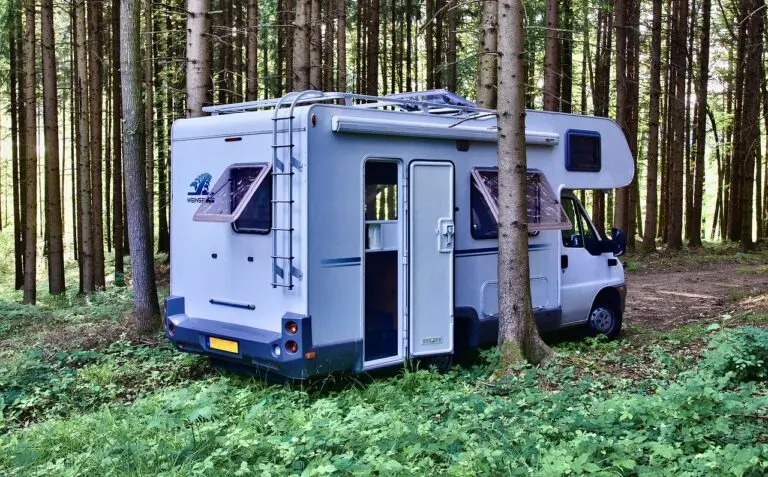
If you drive an RV, you already know the thrill of owning one. These campers give you a great outdoor experience. Jayco makes excellent campers, but like every brand, they can have problems. One of the most common is the water heater.
Water not heating up, smelly water and tank leaks are a few of the problems a Jayco water heater can have. If you don’t solve these issues in time, they can lead to bigger and more costly repairs.
If you own a Jayco RV and have water heater trouble, this guide will help. Below, we cover the common Jayco water heater problems, what causes them and how to fix them.
What Brand of Water Heater Does Jayco Use?
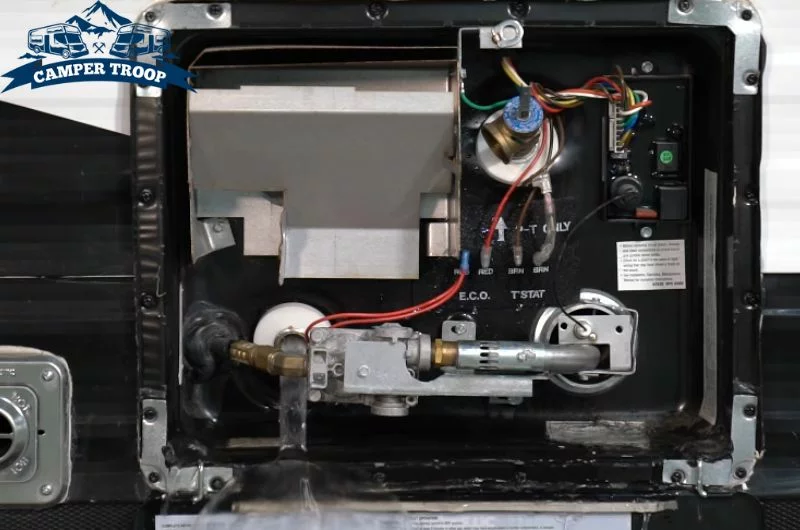
Jayco does not make its own water heaters. It installs units from outside makers. Depending on the model and year, your Jayco may have a Suburban, Atwood/Dometic or Girard heater, or a Truma tankless unit.
This matters because the fix depends on the brand and model. For example, Suburban heaters use a steel tank with an anode rod. Some Atwood/Dometic models use an aluminum tank and do not use an anode rod at all. Tankless units work differently from tank heaters.
How Do I Identify My Water Heater Model?
- Open the outside access door of the water heater on the side of your RV.
- Look for the data plate or label. It lists the brand, model number and serial number.
- Check your Jayco owner’s manual or the paperwork packet that came with the RV.
- Use the model number to find the maker’s manual and the correct parts. Parts are not always interchangeable between brands.
What Are The Common Problems With Jayco Water Heater?
Below are the common problems Jayco water heaters can have. Read on to learn more about each one.
- Water Not Heating Up
- Leakages
- Bad Smelly Water
- Soot Buildup
- Low Water Pressure
5 Common Problems with Jayco Water Heater and Their Solutions:
So far, we have seen the possible water heater problems in brief. Now we will look at each one in detail, along with its symptoms and fixes.
Problem 1: Water Not Heating Up
You turn on the hot tap, but the water stays cold. This means the water heater is not heating, or water is not reaching the tank at all. In some cases, the tank never fills, so there is no water in it to heat.
What Causes Water Not Heating Up On Jayco Water Heater?
There can be many reasons for the water not heating up in a Jayco water heater. Common ones to check include:
- The bypass valve is still in Bypass Mode after winterizing, so water goes around the heater instead of into it.
- The propane tank is empty, or the LP valve is closed.
- The ignition system has failed or locked out.
- In electric mode, a breaker has tripped, a fuse has blown or the heating element has burned out.
- The ECO (high-limit) safety switch has tripped.
- The thermostat setting is altered or the thermostat is faulty.
How To Fix Water Not Heating Up On Jayco Water Heater?
Start with the simple checks first. Then move to the parts that need tools or a technician.
Fixing Bypass Valve
The bypass valve keeps RV antifreeze out of the water heater during winterizing. If antifreeze gets inside, you must fully rinse out the heater before you use the water for showering.
Jayco’s bypass works in two modes. In Normal Mode, water flows into the water heater. This is the setting for everyday use. In Bypass Mode, water goes around the heater. You use Bypass Mode only when you winterize. If the valve is left in Bypass Mode after you de-winterize, the tank won’t fill and you won’t get hot water. So make sure the bypass is set to Normal Mode for normal camping.
Where Is the Water Heater Bypass Valve on a Jayco Camper?
Older Jayco units use a 2-valve bypass located next to the water heater, usually reached from inside the RV. Newer units may use a 3-valve bypass. Here are the positions for the 3-valve setup:
| Mode | Valve A | Valve B | Valve C | When to use |
|---|---|---|---|---|
| Normal Mode | Open | Open | Closed | Everyday use |
| Bypass Mode | Closed | Closed | Open | Winterizing |
Valve labels and locations vary by model. Check your Jayco owner’s manual to confirm which valve is A, B and C on your RV.
Why Is My RV Water Heater Working on Electric but Not Gas?
If you get hot water on electric but not on propane, the problem is on the gas side. Check these in order:
- Propane level. Make sure the tank is not empty.
- LP valve. Make sure the valve on the propane tank is fully open.
- Air in the gas lines. After refilling or swapping tanks, air can sit in the lines. Light a stove burner for a short time to help purge the air, then try the water heater again.
- Ignition lockout. Many units use DSI (direct spark ignition). If it fails to light after a few tries, it locks out. Turn the switch off, wait, and turn it back on to reset.
- Igniter, electrode or control board. If you hear clicking but no flame, or no clicking at all, a dirty electrode or bad control board may be the cause. This often needs a technician.
Older pilot-lit models use a pilot light and thermocouple instead of DSI. If the pilot won’t stay lit, the thermocouple or gas valve may be faulty. Gas valve work should be done by a qualified technician.
Why Is My Water Heater Working on Gas but Not Electric?
If gas works but electric doesn’t, check the electric side:
- Make sure the RV is plugged into shore power.
- Check the water heater breaker in your RV’s power panel.
- Check for a blown fuse.
- Check the heating element. Elements can burn out with age. They can also burn out fast if you turn on electric mode while the tank is empty. This is called dry-firing.
To avoid dry-firing, always make sure the tank is full before you turn on electric mode. Open a hot tap until water flows steadily with no air sputtering.
How Do I Reset the ECO Switch on a Suburban RV Water Heater?
The ECO (energy cut-off) switch is a high-limit safety switch. It shuts the heater off if the water gets too hot. On many Suburban models, it has a reset button near the thermostat behind the outside access door.
- Turn off the water heater on both gas and electric.
- Let the water cool down.
- Find the reset button using your model’s manual and press it.
- Turn the heater back on.
If the ECO switch keeps tripping, don’t keep resetting it. It means something is causing the water to overheat, such as a faulty thermostat. Have the heater checked.
Fixing Thermostat
The thermostat controls the temperature of the water. If it is faulty, the heater may not turn on or may not reach the right temperature. You will need a multimeter to check it.
Turn off all power and gas to the heater first. Use a flathead screwdriver to remove the access covers over the thermostat. You may find insulation inside with a cutout for the thermostat.
Use the multimeter to test the thermostat for continuity. The exact terminals and steps depend on your heater’s brand and model, so follow the wiring diagram in your water heater manual.
If the test shows the thermostat has failed, it needs to be replaced. It is better to have a qualified technician or electrician replace it, because several wires need to be connected correctly.
What About Tankless Water Heaters on Newer Jaycos?
Some newer Jaycos use a tankless heater, such as a Truma unit. These heat water on demand. They have no tank, no T&P valve to drain and no anode rod. Common issues include the heater not firing because water flow is too low for the flow sensor to detect, and error codes shown on the control panel.
If you have a tankless unit, open the hot tap further to raise the flow. Then look up any error code in the maker’s manual. The minimum flow rate and code meanings differ by model.
How Much Does It Cost To Fix Water Not Heating Up On Jayco Water Heater?
Many causes cost little or nothing to fix, such as a bypass valve in the wrong position, a closed LP valve or a tripped breaker. Parts like a thermostat, heating element or control board cost more. Prices vary by brand, model and labor rates, so get a quote from a dealer or RV technician before you buy parts.
Read Also: What Size Socket Is The Best For Water Heater Element
Problem 2: Leakages
Leaks can be a significant problem with water heaters. You may see water dripping from the pipes that connect the water heater to the rest of the plumbing. You may also find water under the shower tray. Either sign means there is a leak.
What Causes Leakages On Jayco Water Heater?
There are many possible reasons for leaks. The most common one is a dripping temperature and pressure (T&P) relief valve. This is usually not because the valve is broken.
The leak is often not inside the water tank but in the plumbing pipes. The water storage tank can also leak from the top, leaving it wet.
Why Is My RV Water Heater Pressure Relief Valve Dripping?
A dripping T&P relief valve most often means the tank has lost its air pocket. That pocket at the top of the tank gives heated water room to expand. Without it, pressure builds as the water heats, and the valve opens to release it.
High campground water pressure can also open the valve, especially if you don’t use a water pressure regulator. A worn valve is possible, but it is usually not the first thing to check.
How To Fix Leakages On Jayco Water Heater?
To fix a leak, first find the exact source of the problem.
Temperature and Pressure Valve
Follow these steps to restore the air pocket:
- Turn the water heater off on both gas and electric.
- Let the water cool completely.
- Turn off the water pump or city water supply.
- Place a bucket beneath the valve.
- Lift the T&P valve lever and hold it open until water stops flowing. This lets air back into the tank.
- Close the valve, restore water and turn the heater back on.
If the valve keeps dripping after you do this, replace it. Never open the T&P valve while the water is hot and under pressure. Scalding water can spray out.
High water pressure
If you connect to campground water, use a water pressure regulator at the spigot. It keeps high pressure from forcing the T&P valve open.
Plumbing Pipes
Check the plumbing pipes carefully for leaks. If you spot a small leak, try to seal it with a leak stopper. If the leak is too big, it is better to replace the whole pipe.
Leak in Storage Tank
If the leak is at the water heater tank, it is often due to bad o-rings or seals at the fittings. Clean the area carefully, remove any dirt and check if any o-rings have gone bad. If an o-ring is damaged, replace it with a new one. If the tank itself is leaking, it usually needs to be replaced.
How Much Does It Cost To Fix Leakages On Jayco Water Heater?
Restoring the air pocket costs nothing. O-rings are inexpensive. A new T&P valve or a new tank costs more, and the price depends on your heater model and labor rates. Ask a dealer or RV technician for a quote.
Read Also: How to Know Your RV Water Heater Switch On or Off?
Problem 3: Bad Smelly Water
You turn on the tap or shower, and the hot water smells bad, sometimes like rotten eggs. If the smell keeps coming back from the hot side only, the water heater is the likely source.
What Causes Bad Smelly Water On Jayco Water Heater?
Smelly hot water usually points to the tank. Water that sits in the tank, plus sediment and buildup inside it, can cause odors.
The anode rod at the bottom of the heater is another place to check. A badly worn or corroded rod is a sign the tank needs attention and the rod needs to be replaced.
How To Fix Bad Smelly Water On Jayco Water Heater?
Start by flushing the tank. Turn off gas and electric, and make sure the water has cooled down. Relieve pressure with the T&P valve, then remove the drain plug or anode rod and let the tank drain fully.
Take some vinegar and use it to clean your tank further. After that, rinse the tank well with fresh water. This helps remove buildup that can cause the smell.
If the water still smells bad after cleaning with vinegar, look at the anode rod. An anode rod is a sacrificial metal rod made of magnesium, aluminum or zinc. It does not catch dust or dirt. It corrodes on purpose so the steel tank doesn’t. If it is badly eaten away, take out the rod using a socket wrench and replace it with a new one.
Does My RV Water Heater Have an Anode Rod?
It depends on the brand. Suburban heaters with steel tanks use an anode rod, and you can remove it with a socket wrench. Some Atwood/Dometic models have aluminum tanks and do not use an anode rod. Tankless heaters don’t have one either. Check your heater’s data plate and manual to be sure.
If your heater has an anode rod, check it at least once a year. Replace it when it has lost about 75% of its original mass. Rods usually last a couple of years. Skipping replacement can wear out the tank early, cause leaks and void the warranty.
How Much Does It Cost To Fix Bad Smelly Water On Jayco Water Heater?
Cleaning the tank yourself costs little beyond vinegar and water. If the anode rod is worn out, you will need to buy a new one that fits your heater. Anode rods are a low-cost part compared to a new tank, which is why replacing them on time saves money.
Read Also: 5 Common Reasons Why Your RV Water Heater Won’t Shut Off
Problem 4: Soot Buildup
If you notice soot building up on your Jayco’s exterior near the water heater vent, there is a problem with the heater. You will see black powdery or flaky material on the RV.
What Causes Soot Buildup On Jayco Water Heater?
One of the main causes of soot buildup is a blockage or misalignment of the main burner. When this happens, the burner doesn’t burn the gas fully. Soot buildup can also be caused by a broken air shutter.
On Suburban heaters, the air shutter is set at the factory to give a blue or orange-blue flame. A mostly yellow flame is a warning sign of poor combustion.
How To Fix Soot Buildup On Jayco Water Heater?
Soot is a serious warning sign. It means the heater is not burning propane completely. Incomplete combustion can also produce carbon monoxide. Shut the heater down and have a qualified service technician inspect it. Don’t treat soot as a minor cosmetic issue.
If the air shutter is broken, it needs to be replaced. If the main burner is blocked or misaligned, it has to be cleaned and realigned. If the flame stays yellow after the shutter is adjusted, shut the unit down and call a qualified service agency. This is a job for a professional.
How Much Does It Cost To Fix Soot Buildup On Jayco Water Heater?
Since this repair must be done by a service technician, you can expect to pay roughly $100-$300, depending on the damage and your location. Get a quote before work starts.
Read Also: All About RV Water Heater (9 Things You Should Know)
Problem 5: Low Water Pressure
Low water pressure is also a common complaint. For instance, you turn on the shower and open the valve all the way, but the water flow is still weak. If this happens, something in the water system is restricting flow.
What Causes Low Water Pressure On Jayco Water Heater?
A few different things can cause low water pressure in a Jayco. The first place to look is the water pump. If the pump has a problem, pressure at the faucets will be low.
Minerals, dirt and debris can also build up inside the faucet screens and block the normal flow of water.
How To Fix Low Water Pressure On Jayco Water Heater?
First, check the water pump for any problems. Checking a pump can be complicated, so it is often better to have a mechanic look at it. Repair or replace it if needed.
If the water pump is not at fault, there may be blockages inside the faucets or the lines. Carefully remove the faucet screens and check for minerals or debris. If you find any, soak the screens in vinegar to clean them.
How Much Does It Cost To Fix Low Water Pressure On Jayco Water Heater?
A replacement RV water pump typically costs around $60-$100, depending on the type of pump you buy, plus around $20-$30 for installation. Prices vary, so compare before you buy.
Why Is My RV Water Heater Popping or Rumbling?
Popping, rumbling or crackling sounds from a tank water heater usually come from sediment at the bottom of the tank. Water trapped under the sediment heats and bubbles up through it. Draining and flushing the tank, as described in Problem 3, is the usual fix.
How Do You Winterize and De-Winterize a Jayco Water Heater?
Many water heater problems start with a mistake during winterizing. If you leave the bypass in Normal Mode while winterizing, antifreeze fills the heater. If you forget to switch back to Normal Mode in spring, you get no hot water.
To winterize:
- Turn off the water heater on gas and electric. Let the water cool.
- Turn off the water pump and disconnect city water.
- Open the T&P valve to relieve pressure.
- Remove the drain plug or anode rod and drain the tank fully.
- Set the bypass to Bypass Mode before you pump RV antifreeze through the lines.
To de-winterize:
- Flush the antifreeze from the water lines.
- Reinstall the drain plug or anode rod.
- Set the bypass back to Normal Mode.
- Fill the tank. Open a hot tap until water flows with no air.
- Only then turn the heater on, so you don’t dry-fire the electric element.
What Safety Rules Should You Follow?
- Propane leaks: If you smell gas, shut off the propane at the tank, don’t use flames or switches, and get the system checked.
- Carbon monoxide: Soot or a yellow flame means bad combustion. Shut the heater down and call a technician. Keep a working CO detector in your RV.
- Scalding: Never open the T&P valve or drain plug while the water is hot.
- Before draining: Turn off gas and electric, let the water cool, shut off water supply and relieve pressure with the T&P valve.
- Gas parts: Leave gas valve, burner and control board repairs to a qualified technician.
How Often Should You Maintain a Jayco Water Heater?
Routine checks prevent most of the problems above. Use this simple schedule and adjust it to your heater’s manual:
| Task | When |
|---|---|
| Inspect the anode rod (if your heater has one) | At least once a year |
| Replace the anode rod | When about 75% of it is gone |
| Drain and flush the tank | When you inspect the anode rod and before winter storage |
| Check the T&P valve for drips | Each trip |
| Check for soot and flame color | Each season, and any time you see soot |
| Set the bypass valve correctly | When you winterize and de-winterize |
Is a Jayco Water Heater Covered by Warranty?
Coverage can come from two places. Jayco’s RV warranty covers the coach. The water heater maker, such as Suburban or Dometic, may have its own warranty on the heater. Check both documents for your RV’s model year.
Keep in mind that skipping maintenance, such as not replacing a worn anode rod, can void the heater warranty. If your RV is still under warranty, take it to a Jayco dealer before you replace parts yourself. DIY repairs may affect coverage.
Conclusion
Jayco builds popular campers, but the water heater can still cause serious problems at times. These issues can ruin a good trip. In this guide, we covered the common Jayco water heater problems and how to solve them.
Regular maintenance of the water heater saves you the trouble and cost of bigger repairs later. Always find the exact source of a problem before you start fixing it.
If you still can’t find or fix the problem after reading this guide, visit your dealer or hire a qualified RV technician.
Read Also: RV Water Heater Anode Rod: Everything You Need To Know
Frequently Asked Questions
Why is my Jayco water heater not working?
A Jayco water heater usually stops working because the bypass valve is still in Bypass Mode, the propane tank is empty, the LP valve is closed or the ignition has locked out. On electric mode, check for a tripped breaker, a blown fuse or a burned-out element. A tripped ECO switch or a faulty thermostat can also cause it.
Why does my RV hot water smell like rotten eggs?
Rotten-egg smelling hot water usually comes from the water heater tank. Water that sits in the tank, plus sediment and buildup inside it, can cause odors. Drain and flush the tank, clean it with vinegar and rinse it well with fresh water. If the smell comes back, inspect the anode rod and replace it if it is badly worn.
Is soot near my RV water heater vent dangerous?
Yes. Soot near the vent means the heater is not burning propane completely, and incomplete combustion can also produce carbon monoxide. Common causes are a blocked or misaligned main burner or a broken air shutter. Shut the heater down, keep a working CO detector in your RV and have a qualified technician inspect the unit.
Why is the water pressure low in my Jayco RV?
Low water pressure in a Jayco usually comes from a problem with the water pump or from minerals, dirt and debris clogging the faucet screens. Check the pump first, or have a mechanic inspect it, and repair or replace it if needed. If the pump is fine, remove the faucet screens and soak them in vinegar.
Can I turn on my RV water heater’s electric mode with an empty tank?
No. Turning on electric mode with an empty tank is called dry-firing, and it can burn out the heating element quickly. Before you switch on electric mode, make sure the tank is full. Open a hot water tap and let it run until the water flows steadily with no air sputtering.