Quick answer: The most common Grand Design RV problems are water leaks, slide-out failures, electrical faults, roof membrane bubbling, tire and wheel bearing wear, loose screws, and appliance or thermostat glitches. Most can be fixed with inspections, resealing, bearing service and 12V troubleshooting. Grand Design’s transferable limited warranties (1-year base, 3-year structural, 5-year frame) may cover early defects.
Grand Design is known for making a large variety of recreational vehicles (RVs), including fifth wheels, travel trailers and toy haulers. Its towables come with a transferable limited warranty package that owners value. Still, there are some issues that Grand Design owners often run into.
The most common Grand Design RV problems may include water leaks, faulty appliances, electrical faults, and loose screws. Slide-out problems may also increase due to water leaks and poor lubrication.
What causes these issues on Grand Design RVs? What are the symptoms, and how do you fix them? This guide covers each problem, plus the warranty, recalls, a pre-delivery checklist and a maintenance schedule.
What Are The Common Problems With Grand Design RV?
As time goes by, you’ll likely run into certain problems with your Grand Design RV. The problems owners report most often are:
- Electrical issues
- Roof problems
- Tire problems
- Water leaks
- Loose screws
- Damaged appliances
- Faulty slide-out
- Thermostat problems
None of these problems is unique to Grand Design. Most towable RVs from any brand share the same systems: slide-outs, a rubber roof membrane, 12V and 120V wiring, propane appliances and trailer axles. That means the fixes below apply to most trailers too.
Most Common Problems with Grand Design RV and Their Solutions:
Now that you know the common problems of Grand Design RV, it’s important to know how to solve them. Below, we explain each common Grand Design RV issue along with its causes, troubleshooting steps and what drives the repair cost.
Problem 1: Electrical Issues
Electrical issues are among the problems Grand Design owners report most often. They include dead LED lights, faulty generators and failing power switches.
The symptoms of electrical issues may include bathroom or kitchen lights that don’t work, a generator that won’t run right, or a refrigerator that won’t run on electric power.
It helps to know that your RV has two electrical systems. The 12V DC system runs off the battery and powers lights, fans, the slide-out motors and most controls. The 120V AC system runs off shore power or a generator and powers the A/C, outlets, microwave and the refrigerator’s electric mode. Figure out which system the dead item uses before you start.
What Causes Electrical Issues On Grand Design RV?
Blown or damaged wiring is a frequent cause. Other possible causes include:
- Damaged wires
- Loose connections
- Blown fuse
- Overheating
- Faulty power switches
- Short circuits
- A weak or discharged 12V battery
How To Fix Electrical Issues On A Grand Design RV?
Electrical problems can come up again and again. Many simple ones you can solve with basic knowledge. Leave anything beyond fuses, breakers and bulbs to a qualified RV technician. To work through common electrical issues, follow these steps:
- If the LED lights are faulty, check the wires and fuses to see if they’re blown.
- If the bulb is damaged, replace it with a good one.
- If the generator starts shaking when turned on, check if it heats up or overloads quickly.
- If the refrigerator works on propane but not on 110V, that points to an electrical problem. In that case, check the circuit breaker and replace it if it is faulty.
- If the A/C isn’t getting 120V power, it will stop running. To solve the problem, look for loose connections, fuses and circuit breakers and fix them as required.
- If several 12V items act up at once, check the battery charge and the battery disconnect switch first.
Safety note: Unplug shore power and turn off the generator before you open any 120V panel or outlet. If a breaker keeps tripping, or you smell burning, stop and call a technician.
How Much Does It Cost To Fix Electrical Issues On Grand Design RV?
If you fix the problem yourself, the cost is often just a fuse, breaker or bulb. If you hire a technician, the bill depends on these factors:
- Mechanic Cost: Local shop rates and how long it takes to trace the fault. Hunting down a hidden short takes longer than swapping a breaker.
- Replacement Cost: The part involved. Bulbs and fuses are cheap. Converters, inverters and generator parts cost much more.
Check whether your unit is still under warranty before you pay for repairs.
Read Also: Common Attitude Toy Hauler Problems & Solutions
Problem 2: Slide-out Problems
One of the most common problems with a Grand Design RV is a stuck slide-out. Slide-outs are the rooms that extend from the side of your RV to give you extra living and sleeping space.
As much as they’re great, a slide that won’t move can stop a trip. A slide stuck out means you can’t travel. A slide stuck in can leave you without a bed or kitchen.
What Types Of Slide-out Mechanisms Do RVs Use?
Knowing your slide type tells you how to troubleshoot it and how to move it by hand. Your owner’s manual lists which systems your unit has. Many RVs use more than one type.
| Slide type | How it works | Common trouble spots |
|---|---|---|
| Schwintek in-wall (Lippert) | Electric motors in the side walls move gear tracks | Low 12V voltage, motor or controller faults, dirty tracks |
| Hydraulic | A pump pushes fluid to rams that move the room | Fluid leaks, low fluid, pump or valve faults |
| Rack-and-pinion (electric) | A motor turns gears along a toothed rack under the room | Motor failure, worn gears, blown fuse |
What Causes Slide-out Problems On Grand Design RV?
Many issues can cause slide-out problems on Grand Design RV. Some of the possible causes are:
- Lack of lubricants
- Water leaks
- Blown fuse and wire
- Old age
- Dead motor
- Low-quality materials
- Rust and corrosion
- Low battery voltage
Why Won’t My Grand Design Slide-out Move?
The most common reason is power. Grand Design slide-outs run on 12V power, and they may stop working if they don’t get enough of it. Check these items in order:
- Make sure the battery is charged and the battery disconnect is on.
- Plug into shore power or run the generator so the converter can support the battery.
- Check the slide fuse or breaker.
- Look for anything blocking the room inside or out, such as a cabinet door, a rug or a tree branch.
- For hydraulic slides, look for fluid leaks and check the fluid level.
- Listen at the switch. A motor that hums but doesn’t move points to a mechanical bind. Total silence points to power or a dead motor.
How Do I Manually Retract A Schwintek Slide-out?
Lippert’s Schwintek in-wall controller has an electronic manual override. It lets you run the slide when the controller has stopped it because of a fault. According to Lippert’s troubleshooting manual:
- Find the slide controller. Your owner’s manual shows where it is.
- Press the mode button six times quickly.
- Press and hold the mode button a seventh time.
- Use the wall switch to move the slide within 60 seconds.
If you don’t use the wall switch within 60 seconds, the controller exits override mode, and you have to start over. Watch the room closely in override mode. If one side moves and the other doesn’t, stop to avoid racking the slide. Hydraulic and rack-and-pinion slides use different manual methods, such as a pump valve or a hand crank. Follow the steps in your owner’s manual for those types.
How To Fix Slide-out Problems On Grand Design RV?
Regular preventive maintenance is the best way to avoid this kind of problem. If a slide-out fails while you’re RVing, follow these steps:
- Check the moving parts of the slide-outs for rust or corrosion.
- If those moving parts are worn or damaged, replace them.
- Make sure the moving parts are properly lubricated. Use the product the slide maker recommends, since some tracks should not be greased.
- Look for leaks around the slide seals and roof. If water is getting in, repair the leak before it causes rot or rust.
- Check for electrical issues. If the slides aren’t getting 12V power, they may stop working. So, check the fuses and circuit breaker for any loose connections.
How Much Does It Cost To Fix Slide-out Problems On Grand Design RV?
Slide-out repairs can range from very cheap to quite costly. A blown fuse or a dead battery costs little. A failed motor, a bent track or water damage around the room costs far more.
- Mechanic Cost: Depends on the shop’s hourly rate and how many hours the job takes. Realigning or rebuilding a slide can take a full day or more.
- Replacement Cost: Depends on the part. Motors, controllers, seals and gear tracks are priced very differently. Get a written estimate first.
Read Also: Common Montana High Country Problems & Solutions
Problem 3: Tire Problems
Many tire problems are not really about the tire. They come from the wheel bearings, the axle or the way the trailer is loaded. Wheel bearings let the wheels spin with little friction, and they carry the trailer’s weight.
When the bearings are in trouble, a wheel can wobble and the tire may start wearing on only one side. Faulty or poorly greased bearings can also overheat and damage the hub and spindle. In the worst case, the wheel can come off the trailer (RVtravel).
What Causes Tire Problems On Grand Design RV?
Tire and bearing problems usually come from wear, maintenance gaps or loading. Possible causes include:
- Aging axle bearings
- Poor lubrication
- Driving the trailer on bumpy or muddy roads
- Rust and dust near the bearings
- Underinflated tires or a trailer loaded beyond the tires’ load rating
- Old tires, even if the tread still looks good
How To Fix Tire Problems On Grand Design RV?
Start by finding the real cause. Uneven wear, a hot hub after driving or a grinding noise often point to the bearings. To deal with bearing and tire issues, follow these steps:
- Check the bearings for proper grease and rust. If the grease is low or dirty, clean and repack them to prevent friction.
- Replace the grease seals when you repack the bearings so dirt and water stay out.
- If the bearings are pitted, blue from heat or still noisy, replace them.
- Check tire pressure when the tires are cold, and inflate to the pressure on the sidewall or the trailer’s tire placard.
- Read the tire’s DOT date code. The last four digits show the week and year it was made. Follow the tire maker’s age guidance, since trailer tires can fail from age before the tread wears out.
- Weigh the loaded trailer at a truck scale to confirm you’re under the tire and axle ratings.
How Much Does It Cost To Fix Tire Problems On Grand Design RV?
The repair cost is mostly labor plus replacement parts.
- Mechanic Cost: A bearing repack is a routine job. Labor grows if the hub, spindle or brakes are damaged.
- Replacement Cost: Bearings and seals are fairly cheap parts. Tires cost more and vary by size and load range. A damaged spindle can mean replacing the axle.
Read Also: Common Cruiser RV Problems & Solutions
Problem 4: Roof Problems
Many owners complain that they see bubbles on the roof membrane. A small bubble may not be a big deal at first, but it can be annoying and worth watching.
If it isn’t treated in time, the problem can let rainwater collect or get under the membrane. Water that gets in can also damage the area around the slide-outs and the A/C unit.
What Causes Roof Problems On Grand Design RV?
Roof membrane problems can start with how the membrane was installed or bonded. Other issues can also cause roof problems:
- Poor quality of roof membrane
- Roof membrane breakdown
- Water leaks
- Cracked or missing sealant around vents, the A/C and edges
How To Fix Roof Problems On Grand Design RVs?
Start with an inspection. Note where the bubbles are, how big they are and whether they are growing. Press around them gently to check for soft spots in the roof deck, which can mean water damage.
If the roof is damaged or could leak, the membrane may need to be repaired or replaced. Bubbling on a newer unit should go to your dealer first, since it may be a warranty item. For membrane work, it’s a good idea to use a professional RV technician.
How Much Does It Cost To Fix Roof Problems On Grand Design RV?
If you only need to reseal or patch, the cost is mostly sealant and labor. A full membrane replacement is a much bigger job. Cost depends on:
- Mechanic cost: Shop rates and hours. Removing and resetting vents, the A/C and other rooftop items adds time.
- Replacement cost: The length of the RV, the membrane material and whether the roof deck under it has rotted.
Read Also: Common Heartland RV Problems and Solutions
Problem 5: Loose Screws
One of the most common problems in RVs is loose screws. You may often find loose screws in kitchen cabinets, drawers, bed boxes or trim.
Because of loose screws, cabinets or drawers may pop open while you travel and rattle or squeak. This problem may seem simple, but it can be very irritating to deal with.
What Causes Loose Screws On Grand Design RV?
An RV is a house that bounces down the highway. Constant road vibration works screws loose over time, and some may not have been fully tight from the factory. Other causes include:
- Driving on bumpy roads
- Damaged or old nuts and bolts
- Low-quality nuts and bolts
- Stripped screw holes in particle board or thin wood
How To Fix Loose Screw Problems On Grand Design RV?
Solutions for loose screws are simple. To solve the problem, follow these steps:
- Check the nuts and bolts. Change them if they’re damaged.
- Install new nuts and bolts if they are old.
- Tighten them snugly so they won’t loosen again. Don’t overtighten, or you’ll strip the hole.
- If a hole is stripped, use a slightly larger screw or fill the hole before you reinstall.
How Much Does It Cost To Fix Loose Screw Issues On Grand Design RV?
Fixing loose screws is usually one of the cheapest repairs. Most owners do it themselves with a screwdriver. If you hire a technician, cost depends on:
- Mechanic cost: The shop’s hourly rate and how many items need attention.
- Replacement cost: Screws, bolts and hinges are low-cost parts.
Problem 6: Water Leaks
Water leaks are one of the most damaging problems in any RV. A slow leak can rot the wood, cause mold and delaminate walls long before you see a drip.
What Causes Water Leaks On Grand Design RV?
- Cracked or shrinking sealant on the roof, around vents, the A/C and roof edges
- Worn or torn slide-out seals and wipers
- Sealant gaps around windows, doors and compartment doors
- Loose plumbing fittings under sinks, behind the shower or at the water heater
- Freeze damage to water lines that weren’t winterized
How Do You Find A Water Leak In An RV?
- Look for stains, discoloration or wrinkled panels on the ceiling and walls.
- Press on floors and walls near windows, slides and corners. Soft spots signal water damage.
- Notice musty smells, especially in cabinets and under beds.
- Check under sinks and around the water heater with the water pump running.
- Have a shop do a moisture test or pressure test if you suspect a hidden leak.
How To Fix And Prevent Water Leaks
Remove cracked sealant and apply a new bead that is compatible with your roof membrane. Self-leveling sealant is used on flat roof surfaces, and non-sag sealant on vertical seams. Replace worn slide seals. Tighten or replace leaking plumbing fittings. Inspect the roof and seams on a regular schedule, such as before and after each camping season, and follow the interval in your owner’s manual. Leaks can also affect your warranty coverage, so document what you find and report it early.
Problem 7: Damaged Appliances
Appliance problems usually involve the refrigerator, water heater, furnace, microwave or A/C. Many of these appliances are made by outside suppliers, not by Grand Design.
- Refrigerator won’t cool: Check that it has power in the mode you’re using. Make sure the RV is level if it is an absorption fridge, and clean the rear vents.
- Water heater won’t heat: Check the electric switch, the breaker and the propane supply. Make sure the tank is full of water before you turn it on.
- Furnace won’t light: Check propane level, the 12V supply and the furnace fuse. A weak battery can keep the blower from starting.
- Microwave or outlets dead: Check the 120V breaker and any GFCI outlets, which may need to be reset.
Appliance parts are often covered by the appliance maker’s own warranty. Keep the model and serial numbers handy when you call for service.
Problem 8: Thermostat Problems
A faulty thermostat can stop the A/C or furnace from turning on, or make them run nonstop. Common causes are:
- Low 12V battery voltage, which many RV thermostats need to work
- A blown fuse in the 12V panel
- The wrong mode or fan setting selected
- A loose wire behind the thermostat
- A fault in the A/C or furnace itself, not the thermostat
To fix it, charge the battery and check the fuse first. Then confirm the mode settings. If it still doesn’t work, the thermostat or its wiring may need a technician’s check. Some setups need a reset or reprogramming, so see your owner’s manual.
Is Grand Design A Reliable RV Brand?
Grand Design has a good reputation among towable owners, but no RV brand is defect-free. The problems in this guide show up across most brands. How reliable your RV is depends a lot on the build quality of your unit, how well the dealer handles the pre-delivery inspection and how well you maintain it.
Two things work in Grand Design’s favor. Its towable warranties are transferable, which helps second owners. And the company has active owner communities online, where owners share fixes and model-specific tips.
Who Owns Grand Design RV?
Grand Design RV is owned by Winnebago Industries, which bought the company in 2016. Grand Design still operates under its own brand name.
What Does The Grand Design RV Warranty Cover?
Grand Design towables come with three limited warranties, according to Grand Design:
| Warranty | Length |
|---|---|
| Limited base warranty | 1 year |
| Limited structural warranty | 3 years |
| Limited frame warranty | 5 years |
Each is a limited warranty with its own terms and exclusions, so read the warranty document for your model year. Parts made by outside suppliers, such as appliances, tires and axles, often carry their own maker’s warranty.
Grand Design does not appear to sell its own branded extended warranty. Extended service contracts are usually sold by third-party companies through the dealer’s finance office. Read what they cover and exclude before you buy one.
Is The Grand Design Warranty Transferable?
Yes. In July 2024, Grand Design made its 1-year base, 3-year structural and 5-year frame towable warranties transferable to later owners. Transferability applies retroactively from the original purchase date for model year 2020 and newer units. If you buy a used Grand Design, notify Grand Design so it can update its records.
How Do You File A Grand Design Warranty Claim?
- Write down the problem, when it started and your VIN.
- Take clear photos or videos of the issue.
- Contact your selling dealer or an authorized Grand Design dealer to schedule service.
- If you need help, contact Grand Design’s customer service directly.
- Keep copies of every work order and message.
Report problems as soon as you notice them. Waiting can let damage spread and may complicate coverage.
How Do You Check A Grand Design RV For Recalls?
Safety recalls are issued for specific models and model years. To check yours:
- Find your 17-character VIN on your registration or on the trailer’s VIN label.
- Enter it at the NHTSA recall lookup.
- If a recall is open, contact an authorized Grand Design dealer to schedule the repair. Safety recall repairs are done at no cost to you.
Appliances and components can have their own recalls from their makers. Check these too, especially on used units.
Do Problems Differ By Grand Design Model Line?
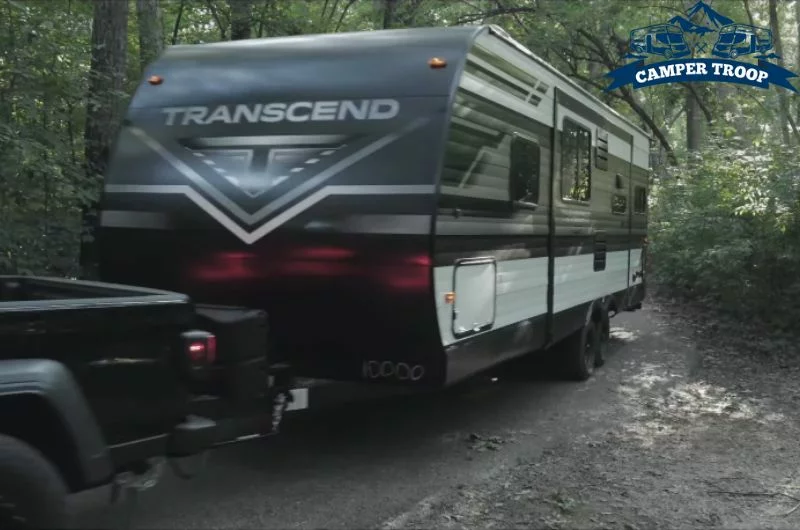
Grand Design builds several lines, including Solitude, Reflection and Influence fifth wheels, Momentum toy haulers, and Imagine and Transcend travel trailers. They share many of the same systems, so the problems in this guide apply to all of them.
Differences come from features. Larger fifth wheels have more slide-outs, so there are more seals and motors to maintain. Toy haulers have a ramp door with its own seals. To check issues for your exact model and year, run a recall check by VIN and search owner forums for your floor plan.
What Should You Check During A Pre-Delivery Inspection?
A pre-delivery inspection (PDI) is your best chance to catch defects before you take the RV home. Plan for several hours and bring a checklist:
- Run every slide-out in and out. Watch for uneven movement and check the seals.
- Walk the roof if the dealer allows, or ask to see it. Look for bubbles, gaps and missing sealant.
- Test every light, outlet, fan and switch on both battery and shore power.
- Run the A/C, furnace, water heater and fridge in every mode.
- Fill the fresh tank, run the pump and check under every sink and around the water heater for leaks.
- Open and close all cabinets, drawers and doors. Check for loose screws and latches.
- Check tire date codes and pressure.
- Test the smoke, CO and LP detectors.
- Ask the dealer to confirm there are no open recalls.
Get any problems you find written on the purchase paperwork before you sign.
Grand Design RV Preventive Maintenance Schedule
Most of the problems above are easier to prevent than to repair. Use this table as a starting point, and follow your owner’s manual and component manuals for exact intervals.
| Task | How often |
|---|---|
| Check tire pressure (cold) | Before every trip |
| Check tire condition and DOT date code | Each season |
| Repack wheel bearings | Every 12 months or 12,000 miles, whichever comes first (check axle manual) |
| Inspect roof membrane and sealant | Before and after each season, or per owner’s manual |
| Inspect slide seals and clean tracks | Each trip; lubricate per slide maker |
| Check battery charge and connections | Before each trip and during storage |
| Test smoke, CO and LP detectors | Before each trip |
| Check cabinet screws and latches | After travel days |
| Propane system leak check | By a qualified technician, per owner’s manual |
How Often Should RV Trailer Wheel Bearings Be Repacked?
Axle makers such as Dexter and Lippert generally recommend repacking trailer wheel bearings every 12 months or 12,000 miles, whichever comes first (RVtravel). Some sources cite 15,000 miles, so check your axle’s service manual. Repack sooner if the hubs get submerged in water.
When Should You Not DIY Grand Design RV Repairs?
Some jobs carry real risk. Call a qualified RV technician for these:
- 120V electrical work: Shore power and generator circuits can shock or start a fire. Stick to resetting breakers and GFCIs.
- Propane system: If you smell gas, shut off the tanks, open doors and get out. Don’t use switches or flames. Leave propane repairs to a pro.
- Roof work: RV roofs are high and slick. Only walk on the roof if your manual says it’s walkable, and use a secure ladder.
- Tires and bearings: A blowout or failed bearing at highway speed can cause loss of control. Never exceed the tire’s load rating. Replace aged tires even if the tread looks fine.
- Slide-outs: Keep people and pets clear when a slide moves. Stop if the room racks or binds.
Also, DIY repairs on a unit under warranty may affect coverage. Check with the dealer first.
Conclusion
Your RVing can be frustrating when you need to call your technician again and again for minor issues. So, it’s important to know the common Grand Design RV problems and their solutions.
Now that we’ve covered the common problems of Grand Design RVs and how to fix them, you can work to prevent them while RVing. Preventive maintenance is key, and your transferable warranty can help with early defects.
Check the parts of your RV often to make sure they are in good condition. Don’t let parts wear out until they fail. Replace them before they cause bigger problems. In addition, keep lubricating moving parts and check for open recalls by VIN.
Read Also: Common Sunseeker Rv Problems & Solutions
Grand Design RV Problems: Frequently Asked Questions
Does Grand Design sell an extended warranty?
Grand Design does not appear to sell its own branded extended warranty. Extended service contracts are usually sold by third-party companies through the dealer’s finance office. Before you buy one, read exactly what it covers and excludes. Your factory coverage still includes the 1-year base, 3-year structural and 5-year frame limited warranties.
Why does my RV fridge work on propane but not on electric?
A fridge that runs on propane but not on 110V points to an electrical problem, not a cooling problem. Check the circuit breaker for the fridge and replace it if it is faulty. Also confirm the RV has shore power or a running generator. If the breaker keeps tripping, call a qualified RV technician.
What causes bubbles on an RV roof membrane?
Roof bubbles often start with how the membrane was installed or bonded. Poor membrane quality, membrane breakdown, water leaks and cracked sealant around vents, the A/C and edges can also cause them. Watch whether bubbles grow, check for soft spots, and take bubbling on a newer unit to your dealer first, since it may be a warranty item.
How do I tell how old my RV tires are?
Read the DOT date code on the tire’s sidewall. The last four digits show the week and year the tire was made. Trailer tires can fail from age before the tread wears out, so follow the tire maker’s age guidance. Check the date code each season and replace aged tires even if the tread looks good.
Why won’t my RV thermostat turn on the A/C or furnace?
Low 12V battery voltage is a common cause, since many RV thermostats need it to work. A blown 12V fuse, the wrong mode or fan setting, or a loose wire behind the thermostat can also cause it. Charge the battery and check the fuse first. If that fails, have a technician check the thermostat and wiring.