Quick answer: Most Winnebago slide-out problems come from low battery voltage, a parking brake that isn’t set, an unlevel coach, blown fuses, bad switches, an out-of-sync Schwintek controller, low hydraulic fluid, worn seals, or debris in the slide path. Check power, park brake, and level first. Then reset the controller or check the fluid, depending on your slide system.
Winnebago adds slide-outs to give you more living space. However, slide-outs can run into a number of issues. Some are minor and easy to fix. Others need professional help.
The most common Winnebago slide-out problems include failing control switches, slide motor faults, blown fuses and tripped breakers, out-of-sync in-wall slide controllers, hydraulic pump or fluid issues, worn seals, and jammed slides.
This article explains each problem and how to fix it. It also covers which slide system your coach likely has, because the fix depends on it.
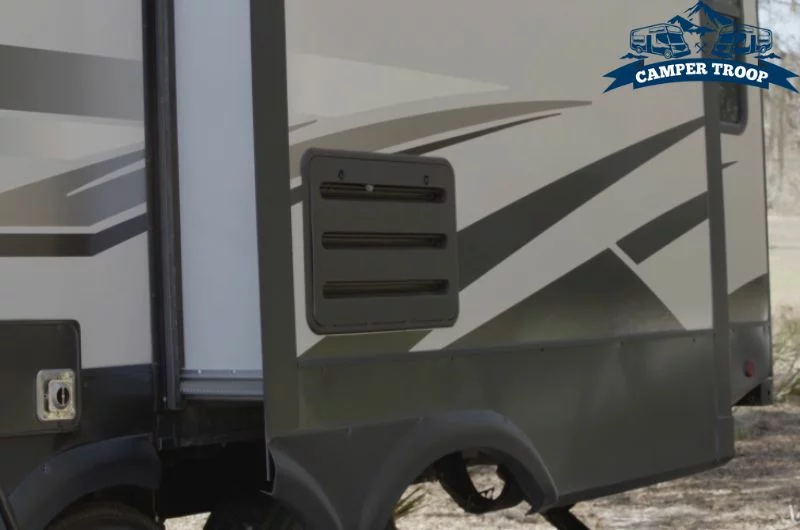
Which Slide-Out Systems Does Winnebago Use?
Winnebago does not use one slide system on every coach. The system depends on the model and model year. Some coaches use hydraulic slides from HWH or Power Gear. Many others use 12V electric systems, such as Lippert Schwintek in-wall slides. Those electric systems have no hydraulic pump or fluid.
Before you troubleshoot, find out which system you have. Check your owner’s manual or look for a label on the slide controller or pump.
| Slide system type | How it moves the room | What to check first |
|---|---|---|
| Hydraulic (HWH, Power Gear, some Lippert) | A pump pushes fluid to cylinders | Fluid level and type, leaks, pump power |
| Electric in-wall (Lippert Schwintek) | 12V motors on each side drive tracks in the wall | Battery voltage, controller sync, fuses |
| Electric rack-and-pinion or cable | One 12V motor drives gears or cables | Battery voltage, motor, fuses, the manufacturer’s lube instructions |
What Are The Symptoms Of Winnebago Slide Out Problems?
Certain symptoms tell you that your Winnebago slide-out has a problem. Here are the most common signs.
- Getting Jammed
- Locking or Unlocking Problems
- Malfunction of Switches
- Rust in Moving Parts
- Malfunction with the Power Plug
- The Converter is Not Working
- Transit Bars Can’t Move
- Broken Slideout Seals
- Stuck the Slides
Why Won’t My Winnebago Slide-Out Go In or Out?
Often the slide itself is fine. A missing setup step is blocking it. Run through this checklist before every slide move and before you start any repair.
- Set the parking brake. On many Winnebago models, the slide won’t move without it. A “park brake” light flashes to warn you.
- Put the transmission in Park.
- Level the coach. An unlevel coach can make the room bind or drift out of square.
- Check battery voltage. Low voltage can stop slide operation, especially on Schwintek systems.
- Check clearance outside. Look for trees, posts, hookups, and people in the slide path.
- Check clearance inside. Make sure no furniture, rugs, or cabinet doors block the room.
Does the Engine Need to Be Running to Operate a Winnebago Slide-Out?
Not always, but it helps. Winnebago recommends running the engine while you move slides, so the alternator supplies full power. This is a recommendation, not a universal lock-out.
What many models do require is the parking brake. If the brake isn’t set, a park brake light flashes and the slide won’t move. The coach should also be level.
What Causes Winnebago Slide Out Problems?
Many things can cause Winnebago slide-out problems. These are the most common.
Power Supply-Related Issues
Slides run on 12V power from the house batteries. Winnebago recommends running the engine during slide operation so the alternator provides full power. Many models also need the parking brake set before the slide will move.
If the charging system has a problem, the batteries won’t stay charged. Low voltage can make slides move slowly, stop partway, or not move at all.
Hydraulic System Malfunction
This cause applies only to coaches with hydraulic slides, such as HWH or Power Gear systems. In these systems, a pump pushes fluid to cylinders that move the room. Electric systems like Schwintek in-wall slides have no pump or fluid. Common hydraulic issues include:
- Leaky pumps
- Damaged valves
- Faulty hydraulic line
- Misfire in actuator triggers
- Faulty actuators
- Low or wrong hydraulic fluid
Defective Slideout Motor
On electric slides, the motor drives the whole room in and out.
Motors wear with regular use, and they can fail over time.
The motor’s wires can also get damaged or break. When that happens, the motor can’t move the slide.
Damaged Slide Out Switch
Each slide-out has its own control switch. You press it to move the room.
If the switch is damaged, the slide will not move.
A switch can be worn out, jammed, or stuck down.
Read Also: Common Winnebago Forza Problems & Solutions
Slideout Seals Leaks
Slide-out seals often wear out and leak. A torn or loose seal can also catch on the wall and stop the room from moving smoothly.
Seals usually break down from sun, heat, cold, and age. Dirt and lack of care speed this up.
Misalignment
If a slide gets stuck or sits crooked, check for misalignment. A misaligned room may not move at all.
Sometimes the slide extends but won’t retract. Misalignment or a blocked moving part can cause this. On Schwintek slides, one side running ahead of the other is a common sign the controller is out of sync.
Slides Get Jammed
Slides can jam after heavy use or long storage.
One slide may open while another stays stuck. Rust and dust can build up on moving parts and cause jams. Twigs, leaves, and other objects can also get caught in the mechanism.
Attack of Gravity
Gravity works against your slides when the coach isn’t level. The room’s weight shifts to one side, and it can bind or stick.
This often happens when you set up at an unlevel campsite or park on a slope for storage. Level the coach before you move any slide.
Lack of Lubrication
On some slide systems, such as rack-and-pinion or cable slides, dry moving parts can make the room move roughly. Follow your slide maker’s lube instructions for those systems.
Do not assume lubrication is the fix for every slide. Schwintek in-wall slides are designed to run without lubrication, and lubing them can damage them.
The Attack of Dust and Foreign Objects
Dust and grit build up in tracks and gears. Too much of it can stop the slide from moving.
Foreign objects can also get stuck in the moving parts. Leaves, twigs, and water can collect on the slide topper awning and get pulled in when the room retracts.
Read Also: Common Winnebago Revel Problems & Solutions
What Safety Steps Should You Take Before Working on a Slide-Out?
A slide-out is a heavy moving room. Treat it with care.
- Keep people and pets clear of the slide, inside and outside, every time it moves.
- Disconnect power before you work on wiring, switches, motors, or controllers.
- Respect hydraulic pressure. Hydraulic lines hold fluid under pressure. Don’t loosen fittings unless your manual tells you how to do it safely.
- Never force a stuck slide with a pry bar or by holding the switch. You can bend tracks or burn out motors.
How To Fix Winnebago Slide Out Problems?
Work through these steps in order. Start with the simple checks before you replace parts. Skip any step that doesn’t apply to your slide system.
Step 1: Remove Dust and Rust
Start by cleaning dirt off the slide, tracks, and seals. Use a soft cloth or a mild cleaner.
Remove any foreign objects or rust you find. Clear leaves and twigs off the slide topper awning too. If the rust is hard to remove, call a technician.
Try the slide again after cleaning. If it still won’t move, go to the next step.
Step 2: Use Lubricates
Only lubricate if your slide system calls for it. The right answer depends on the system:
- Schwintek in-wall slides: Designed to run without lubrication. Lubing them can damage them. If lubrication is truly needed, use only a dry-film silicone spray.
- Hydraulic, rack-and-pinion, and cable slides: Follow the slide manufacturer’s lube instructions in your owner’s manual.
Don’t force a slide that feels dry or rough. Forcing it can make the damage worse.
Step 3: Repair Leaks
Repair leaking seals as soon as you find them. Water damage can spread into the floor and walls.
For seals that are dry but intact, use a seal conditioner or protectant. Apply it to both sides of the seal.
If the seals are torn or badly worn, replace them with new ones.
Read Also: Common Winnebago Aspect Problems & Solutions
Step 4: Replace the Damaged Switches
A damaged slide switch should be replaced.
If the switch is stuck, loose, or doesn’t respond, swap it for a new one that matches your system.
If you aren’t comfortable with 12V wiring, have a technician or service center do it. Disconnect power first if you do it yourself.
Step 5: Fix Slide-Out Motor Issues
If the slide motor isn’t working, start with the wiring. Look for broken or loose wires and connections, and repair them.
Check the voltage at the motor with a multimeter. Compare it to the voltage at the battery. If voltage drops a lot at the motor, there may be a wiring or connection problem. Call a technician if you can’t find the cause.
Then press the slide switch. The motor should start running.
If the motor runs but the slide doesn’t move, don’t replace the motor right away. See the section below on what else can cause this.
Step 6: Check the Power Supply and Electrical Issue
Make sure your charging system keeps the batteries charged. Check cables and connections for damage or corrosion.
Check the fuses and breakers for the slide circuit. Replace blown fuses and reset tripped breakers.
To avoid circuit issues, keep your battery fully charged. Low battery voltage can stop slide operation. Running the engine while you move the slide also helps.
Step 7: Fix Hydraulic Pumps and System
If you have hydraulic slides, check the system regularly. Look at the fluid level and check for leaks at the pump, lines, and cylinders. Damaged actuators, pumps, or hydraulic lines should be repaired by a technician.
Step 8: Resync a Schwintek In-Wall Slide
If your coach has Schwintek in-wall slides and the room moves crooked, stops early, or one side lags, the controller may be out of sync. Follow the resync steps in the section below.
Read Also: Common Winnebago Paseo Problems And Solutions
Why Does the Slide-Out Motor Run but the Slide Doesn’t Move?
A running motor with a still slide doesn’t always mean the motor is bad. Check these first:
- Obstructions: Something inside or outside may be blocking the room.
- Controller sync (Schwintek): An out-of-sync in-wall system may stop or refuse to move. Try a resync.
- Low voltage: A weak battery may let the motor hum or spin without enough power to move the room.
- Drive parts: Gears, couplers, cables, or tracks between the motor and the room may be worn or broken.
- Hydraulic slides: If the pump runs but the slide won’t move, check for low fluid or a leak.
If none of these explain it, have a technician inspect the drive system before you buy a new motor.
How Do You Manually Retract a Stuck Winnebago Slide-Out?
The method depends on your slide system. Always use the procedure in your owner’s manual for your exact coach.
Schwintek In-Wall Slides: Electronic Manual Override
Schwintek in-wall slides on Winnebago coaches have an electronic manual override. Use it like this:
- Find the slide controller and its Mode button.
- Press the Mode button 6 times quickly.
- Press and hold it a 7th time for about 5 seconds.
- Watch for the red and green LEDs to flash. This confirms override mode.
- Use the wall switch to retract the slide.
If you don’t press the wall switch within 60 seconds, the controller returns to normal mode. Start over if that happens.
Hydraulic and Other Electric Slides
Hydraulic slides and some electric slides use a different manual method, such as a hand crank or a hydraulic bypass. The steps vary by system, so follow your owner’s manual exactly. If you can’t find the procedure, call a dealer or mobile RV technician rather than guessing.
How Do You Reset a Schwintek Slide-Out Controller?
Resyncing lines the two sides of an in-wall slide back up. Here is the basic process:
- Make sure the battery is fully charged.
- Retract the room fully.
- Keep holding the retract switch after the room is fully in.
- Cycle the slide out and in several times.
- At the end of each cycle, hold the switch for about 5 seconds.
If the controller keeps showing fault lights or the slide still won’t sync, the cause may be low voltage, a wiring fault, or a motor problem. Have a technician check it.
What Hydraulic Fluid Does a Winnebago Slide-Out Use?
It depends on the model year and the hydraulic system. Winnebago’s manuals list different fluids for different systems:
- Older HWH systems: HWH Specialty Hydraulic Oil, with Dexron ATF as an alternative.
- Some Lippert-equipped coaches, such as the Journey: Come filled with AW-22S synthetic hydraulic oil.
Never use brake fluid or hydraulic jack fluid. Winnebago manuals warn against both.
To check the level, follow the steps in your owner’s manual for your system. Top off only with the fluid your manual lists. If the level keeps dropping, look for a leak and have it repaired.
How Can You Prevent Winnebago Slide-Out Problems?
Simple, regular care prevents many slide failures. Use your owner’s manual for exact intervals.
- Before each move: Level the coach, set the park brake, and check clearance.
- Before retracting: Clear leaves, water, and debris from the slide topper awning and roof.
- Seals: Clean them and apply a seal conditioner on the schedule your manual recommends.
- Lubrication: Lubricate only as your slide maker directs. Don’t lube Schwintek tracks.
- Battery: Keep the house batteries charged, especially in storage.
- Hydraulic slides: Check fluid level and look for leaks.
- Inspection: Watch and listen as the slide moves. Note grinding, jerking, or one side lagging.
How Serious Are the Winnebago Slide-Out Problems?
A slide that won’t retract can leave you stuck at a campsite. You can’t safely drive with a slide out.
Slide-out problems can get serious if you ignore them. Act on small issues early. Leaks, bent tracks, and burned-out motors cost more to fix the longer they go.
How Much Does It Cost To Fix Winnebago Slide Out Problems?
Costs vary widely. They depend on the slide system, the part that failed, your coach, and local labor rates. Simple fixes like a fuse, a switch, a controller resync, or seal conditioner cost far less than replacing motors, hydraulic pumps, or seals, or repairing water damage.
Before paying for repairs, check whether your warranty covers the problem. Get a written estimate that lists parts and labor separately.
Should You Fix It Yourself or Call a Pro?
Use these rules to decide:
- DIY is usually fine for: Checking the park brake, level, and battery; replacing fuses; resetting breakers; clearing debris; conditioning seals; resyncing a Schwintek controller; and using the manual override.
- Call a pro for: Hydraulic leaks or line work, motor or controller replacement, bent or damaged tracks, a slide that sits crooked, and any slide that won’t retract after you try the manual method.
- Stop and call for help if the slide makes grinding noises, moves unevenly, or you see structural damage.
When Should You Contact Winnebago or a Dealer?
If your coach is still under warranty, contact Winnebago customer care or an authorized dealer before you do any repair. DIY work on covered parts can cause problems with a warranty claim.
Also check for open recalls. Enter your VIN at NHTSA.gov or ask your dealer. Recall repairs are done at no cost to you.
Conclusion
A Winnebago is a good RV for long trips, and its slide-outs add a lot of comfort. Don’t ignore slide-out problems.
Start with the basics: park brake, level, battery, and clearance. Then follow the fix for your slide system, whether that’s a Schwintek resync, a hydraulic fluid check, or a switch replacement. Call a professional for hydraulic, motor, or structural work.
We hope this guide helps you solve your slide-out problem and get back to your trip. Good luck!
Read Also: Common Winnebago Trend Problems And Solutions
Frequently Asked Questions
Should you lubricate Schwintek slide-out tracks?
No. Schwintek in-wall slides are designed to run without lubrication, and lubing them can damage them. If lubrication is truly needed, use only a dry-film silicone spray. Other systems, such as rack-and-pinion or cable slides, may need lube, so follow your slide maker’s instructions in the owner’s manual.
Can you drive a Winnebago with the slide-out extended?
No. You can’t safely drive with a slide out. If a slide won’t retract, first try the manual override or manual method for your slide system. If it still won’t come in, call a dealer or mobile RV technician. Don’t force it with a pry bar, and don’t drive away.
Why does one side of my Schwintek slide move ahead of the other?
One side running ahead of the other usually means the Schwintek controller is out of sync. Charge the battery fully. Then retract the room fully and cycle it out and in several times, holding the switch about 5 seconds at each end. If it still won’t sync, have a technician check it.
Why is the park brake light flashing when I try to move the slide?
A flashing park brake light means the parking brake isn’t set. On many Winnebago models, the slide won’t move until it is. Set the parking brake, put the transmission in Park, and level the coach. Then check clearance inside and outside, and try the slide switch again.
Is a leaking slide-out seal urgent?
Yes, fix it soon. A leaking seal lets water reach the floor and walls, and water damage costs more the longer it goes. Condition seals that are dry but still intact on both sides. Replace seals that are torn or badly worn. A torn seal can also catch and stop the slide.